Luxury in Atlanta is not standing still, and if you are buying or selling at the upper end of the market, that matters. You may be wondering whether demand is still strong, where buyers are focusing, and how much leverage exists now that inventory is rising. The good news is that Atlanta’s luxury market is still showing price growth, but it is also becoming more balanced and more location-specific. That means strategy matters more than hype, and understanding the latest shifts can help you make a smarter move. Let’s dive in.
Atlanta Luxury Is Changing, Not Slowing
Atlanta’s luxury housing market is best understood as the top 5% of home sales in the metro, not one fixed price point. In the three months ending April 30, 2026, the luxury median sale price in Atlanta reached $1.4306 million, up 4.8% year over year. That tells you the top end is still appreciating, even as the market moves away from the overheated pace of the post-pandemic years.
At the same time, active luxury listings rose 15.4%, and median days on market came in at 44 days. Luxury homes in Atlanta are still moving faster than the national luxury average of 60 days. In short, the market has more breathing room than it did a few years ago, but well-positioned properties are still attracting attention.
Balance Is Returning to the Market
Across the broader Atlanta metro, there were 17,723 active listings and 4.0 months of supply in March 2026. That is much closer to a balanced market than the very tight conditions buyers and sellers saw in 2021 and 2022. For luxury clients, this shift creates a more thoughtful environment where pricing, condition, and presentation carry more weight.
If you are buying, this can mean more options and more time to compare properties. If you are selling, it means buyers may be more selective than they were during the most competitive stretch of the market. Homes that are priced carefully and presented well are in a stronger position than homes that rely on scarcity alone.
Why Atlanta Still Draws Luxury Buyers
One reason Atlanta continues to attract luxury demand is relative value. While Atlanta’s luxury median sale price sits at $1.43 million, Redfin’s April 2026 data puts luxury medians much higher in Miami, New York, and Los Angeles. For relocators and second-home buyers comparing major metros, Atlanta can offer more space and a different lifestyle profile at a lower luxury price point.
That value story is reinforced by job growth and business expansion. The City of Atlanta’s Tech Hub reports more than $37 million in investments, 148 companies supported, and 1,155 new tech jobs created through its programs. Metro Atlanta Chamber’s 2025 recruitment list also reflects a wide range of headquarters and major office activity across the region, including Atlanta, Sandy Springs, Roswell, and Alpharetta.
Georgia’s film and TV sector also remains a meaningful economic driver. The state reported $2.6 billion in production spending in fiscal year 2024 and $2.3 billion in fiscal year 2025, with more than 4.5 million square feet of stage space statewide. While the housing impact is indirect, this kind of industry activity supports ongoing demand from executives, vendors, and relocating professionals.
Where Luxury Demand Is Concentrating
Atlanta’s luxury market is not concentrated in just one place. Instead, it includes a clear urban luxury core along with several strong suburban corridors that appeal to executive buyers, move-up households, and lifestyle-focused purchasers.
Buckhead Remains the Symbolic Core
Buckhead continues to anchor Atlanta’s luxury identity. Along Peachtree Road and in Buckhead Village, the area combines high-end retail, dining, wellness, and arts-oriented amenities with some of the city’s most recognizable luxury housing. It also remains a headline market, with Tuxedo Park setting Atlanta’s residential price record at $19.8 million.
Redfin data shows Buckhead with a median sale price of $709,736 over the last three months, about 58 days on market, and an average of three offers. That median reflects a wide housing mix, but the area still holds a strong position in the luxury conversation because of its prestige, established neighborhoods, and access to in-town amenities.
Milton Leads the Suburban Luxury Tier
If you are looking at suburban luxury by pricing, Milton stands out clearly in this data set. Its median sale price reached $1.129 million, with homes averaging 35 days on market. That combination suggests strong buyer interest, especially for larger homes, estate settings, and lifestyle properties.
For clients focused on acreage, equestrian appeal, or a more private suburban setting, Milton remains one of the most important luxury markets in North Fulton. It also aligns closely with the kind of lifestyle inventory many upper-tier buyers seek when relocating to the area.
Alpharetta and Johns Creek Stay Competitive
Alpharetta posted a median sale price of $749,563 and 45 days on market. Johns Creek came in at $717,130, with homes moving even faster at 31 days on market. These numbers suggest steady demand for executive-style suburban homes, even if each market is broader than a pure luxury segment.
For buyers, these areas continue to offer a strong mix of established neighborhoods, newer construction, and access to major employment nodes. For sellers, they show that move-in-ready homes with thoughtful updates and strong presentation can still move efficiently.
Roswell and Sandy Springs Offer Mixed Opportunity
Roswell recorded a median sale price of $634,672 and 29 days on market, while Sandy Springs came in at $699,639 and 41 days on market. Both markets include affluent pockets and notable upper-end sales, but they also offer a wider range of housing types and price points.
That matters because broad market medians do not always tell the full luxury story. In these areas, buyers may find more flexibility than in tighter luxury pockets, while sellers need to pay close attention to neighborhood-specific pricing and current competition.
What This Means for Buyers
If you are buying in Atlanta’s luxury market, you are entering a landscape with more choice than buyers had during the most aggressive years of competition. Rising inventory can create room for better comparisons, stronger due diligence, and more measured negotiations. That is especially helpful in markets where price softness or broader inventory gives buyers more leverage.
At the same time, not every submarket is moving the same way. Milton still appears tight by luxury suburban standards, while places like Roswell and Sandy Springs may offer more negotiating opportunity. A local, neighborhood-by-neighborhood approach is more useful now than broad metro headlines.
What This Means for Sellers
If you are selling, this is still a good market for well-prepared luxury listings, but it is less forgiving than it was when nearly any listing could capture immediate attention. Buyers have more inventory to consider, and they are moving with greater discipline. That makes presentation, pricing, and launch strategy critical.
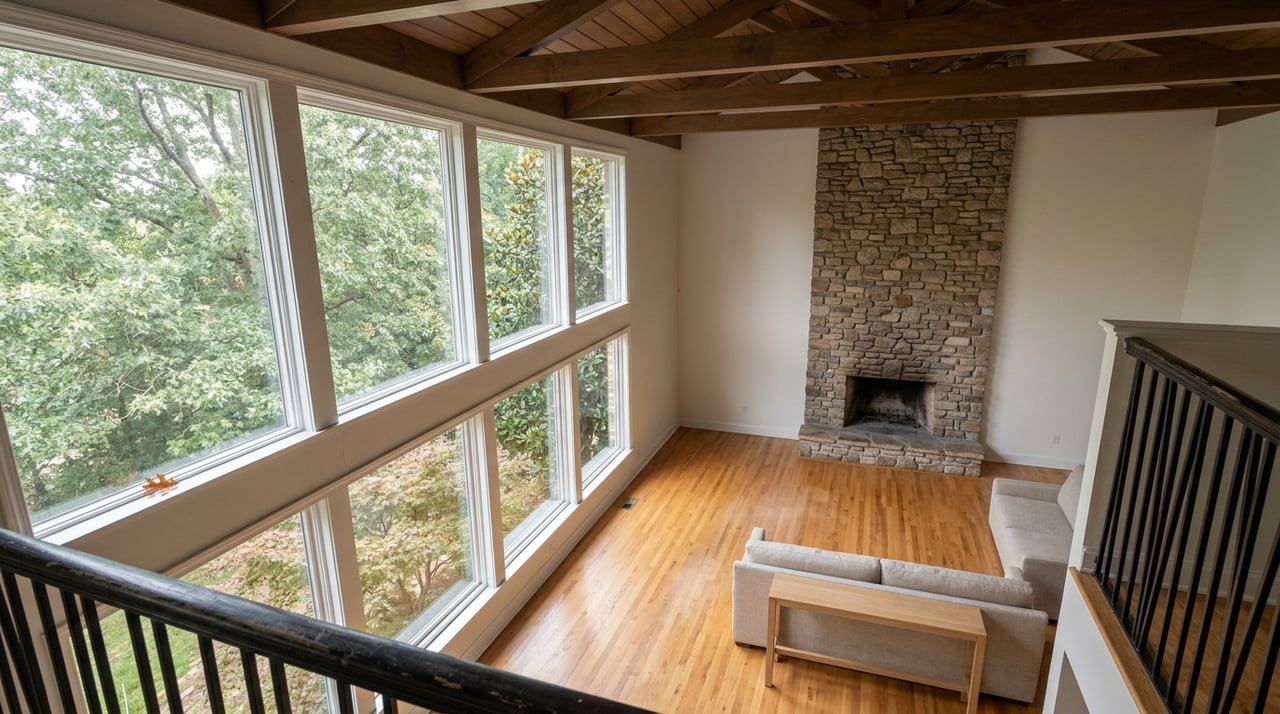
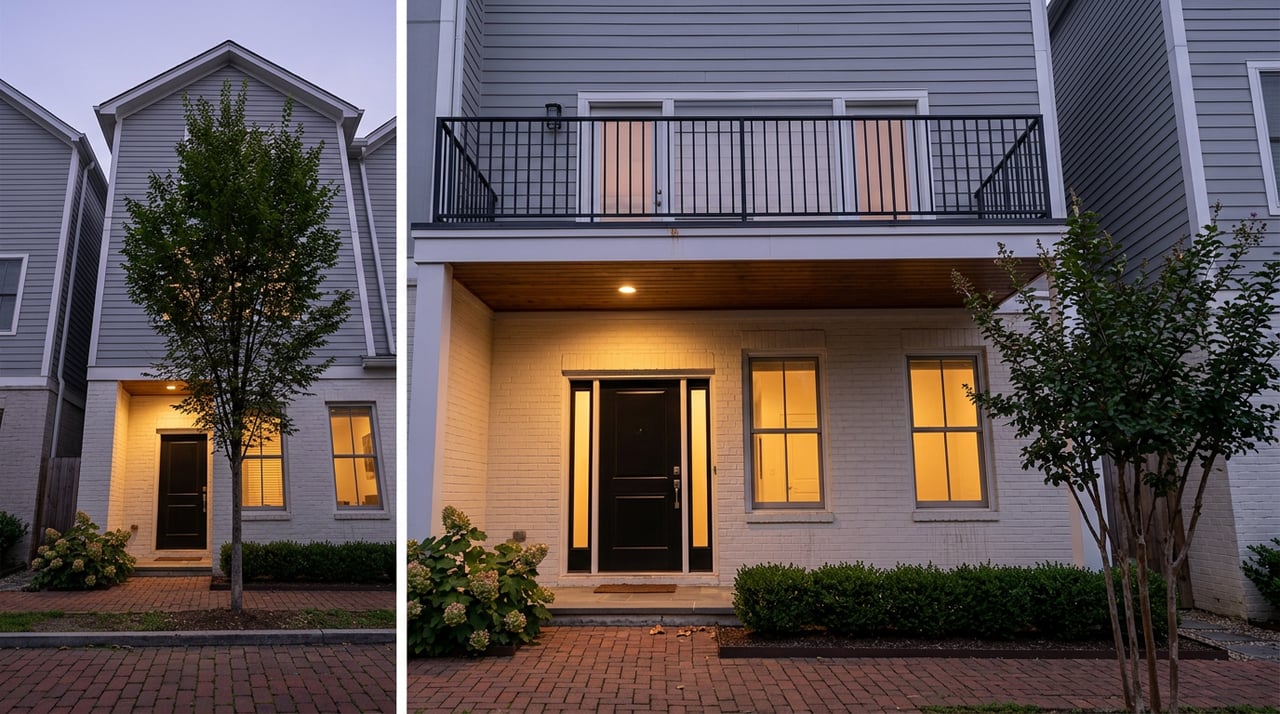
For upper-tier homes in Buckhead and North Fulton, premium marketing is not just a nice extra. It is often part of the value proposition. Bespoke staging, strong photography, and targeted exposure can help a property stand out in a market where buyers are comparing more options and expecting a polished experience.
The Bigger Picture for Atlanta Luxury
The clearest takeaway is that Atlanta’s luxury market is evolving into a more balanced, more segmented, and more strategic environment. Prices are still rising at the top end, but inventory is growing too. Demand remains supported by corporate growth, tech investment, and Georgia’s broader economic momentum, yet buyers are also becoming more selective about where and how they purchase.
For many clients, that is actually a healthy shift. A more normalized market allows for better decisions, better planning, and clearer expectations. Whether you are preparing to list a custom estate in North Fulton or exploring a relocation into Buckhead, Milton, Alpharetta, or Roswell, local market insight matters more than ever.
If you are thinking about your next move in Atlanta’s luxury market, working with an advisor who understands both the numbers and the neighborhoods can make all the difference. To start the conversation, book a complimentary market consultation with Dawn Camarda.
FAQs
What counts as a luxury home in Atlanta?
- In this market, luxury is best defined as the top 5% of home sales in the Atlanta metro rather than one fixed price threshold.
Is Atlanta luxury real estate still appreciating in 2026?
- Yes. In the three months ending April 30, 2026, Atlanta’s luxury median sale price was up 4.8% year over year.
Is Atlanta’s luxury market more balanced now?
- Yes. Metro Atlanta had 4.0 months of supply in March 2026, which is much closer to a balanced market than the unusually tight conditions of earlier years.
Which Atlanta areas matter most for luxury buyers?
- Buckhead remains the symbolic luxury core, while Milton, Alpharetta, Johns Creek, Roswell, and Sandy Springs are key suburban and executive-home corridors.
Is Atlanta still affordable compared with other luxury markets?
- Relative to major coastal metros, yes. Atlanta’s luxury median sale price is far lower than the reported luxury medians in Miami, New York, and Los Angeles.
What should Atlanta luxury sellers focus on right now?
- In a market with more inventory, sellers should focus on accurate pricing, polished presentation, and a strong marketing plan to stand out.