If you love the idea of coming home to a walkable downtown without taking on the work of a large yard, Alpharetta’s Garden District deserves a closer look. Many buyers want convenience, charm, and flexibility all at once, especially if travel, downsizing, or a simpler routine is part of the plan. In this part of downtown Alpharetta, you can find a setting that supports that lifestyle while still feeling connected to the heart of the city. Let’s dive in.
What the Garden District Means
The Garden District is generally the Canton Street residential area within Downtown Alpharetta. City documents describe it a little differently depending on the source, with one definition placing it along Canton Street from Church Street to Hopewell Road and another referring to Canton Street between Church Street and Vaughan Drive.
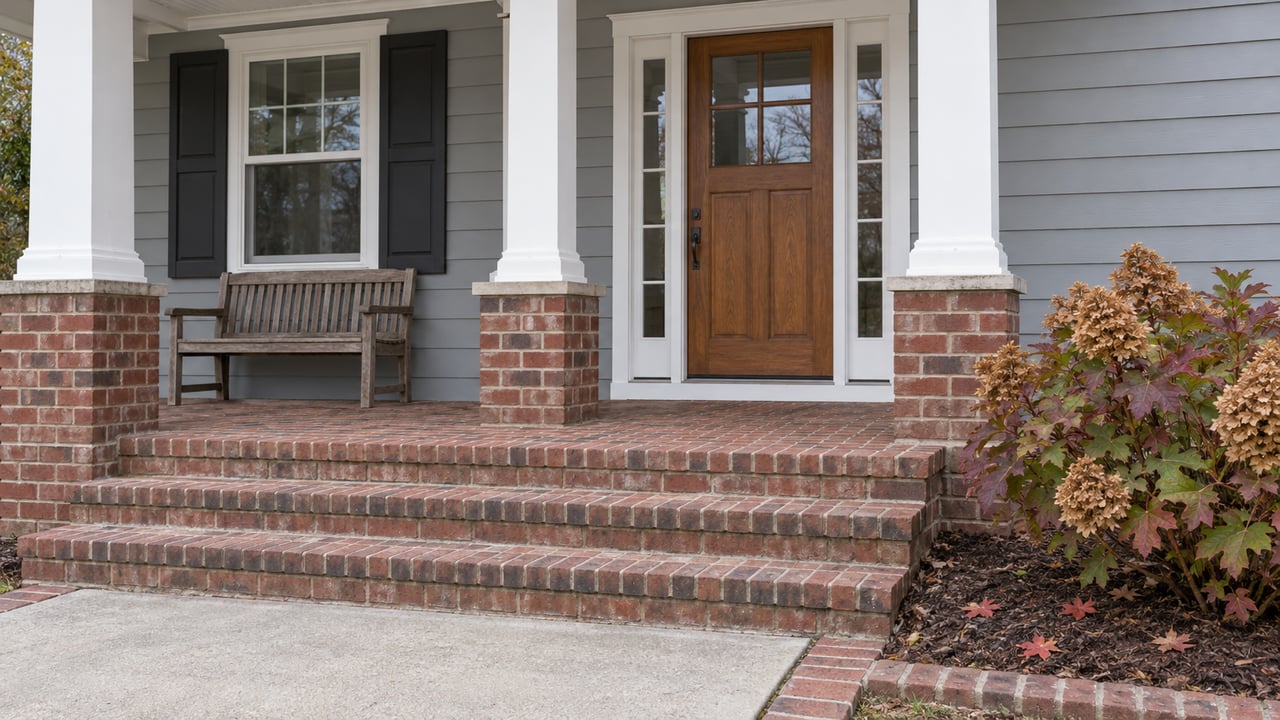
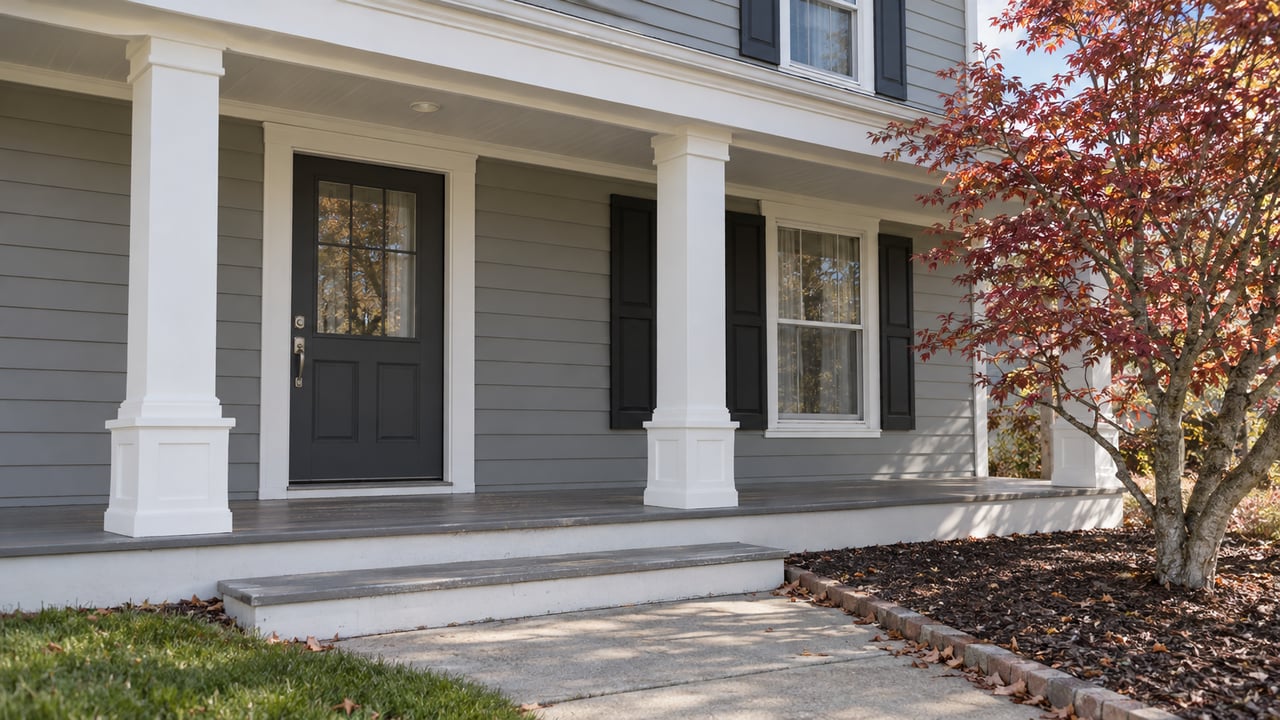
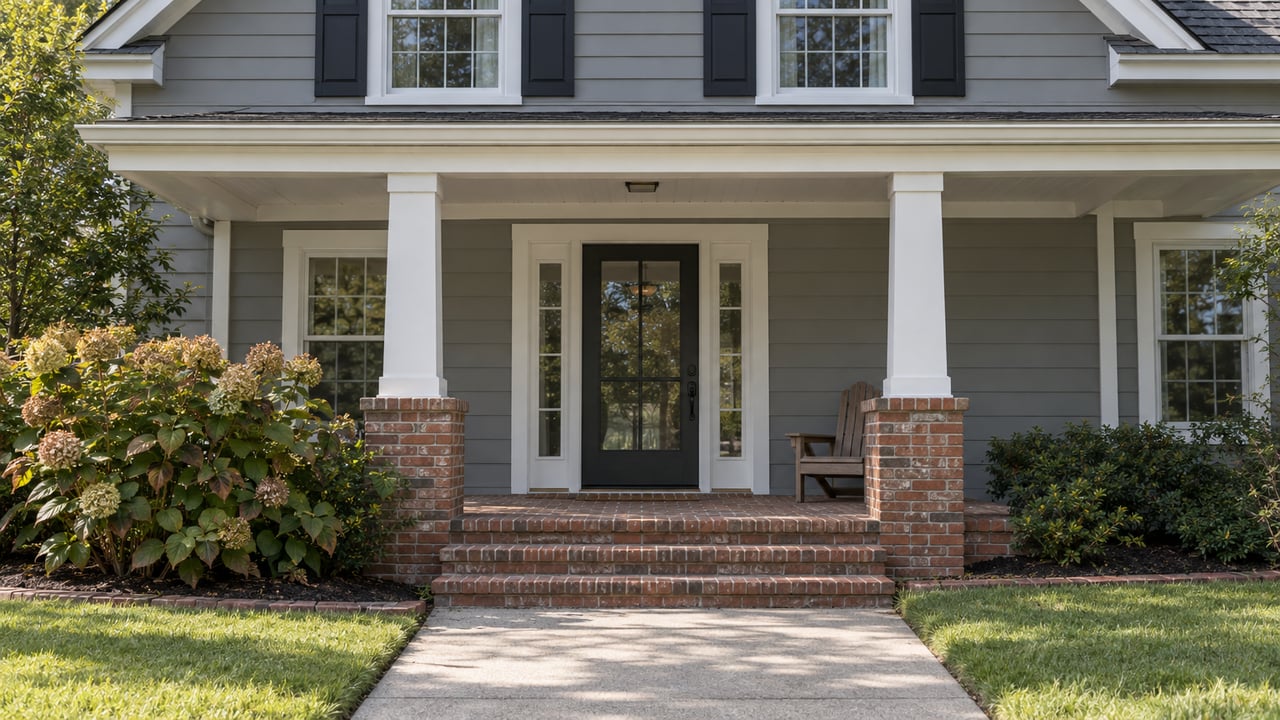
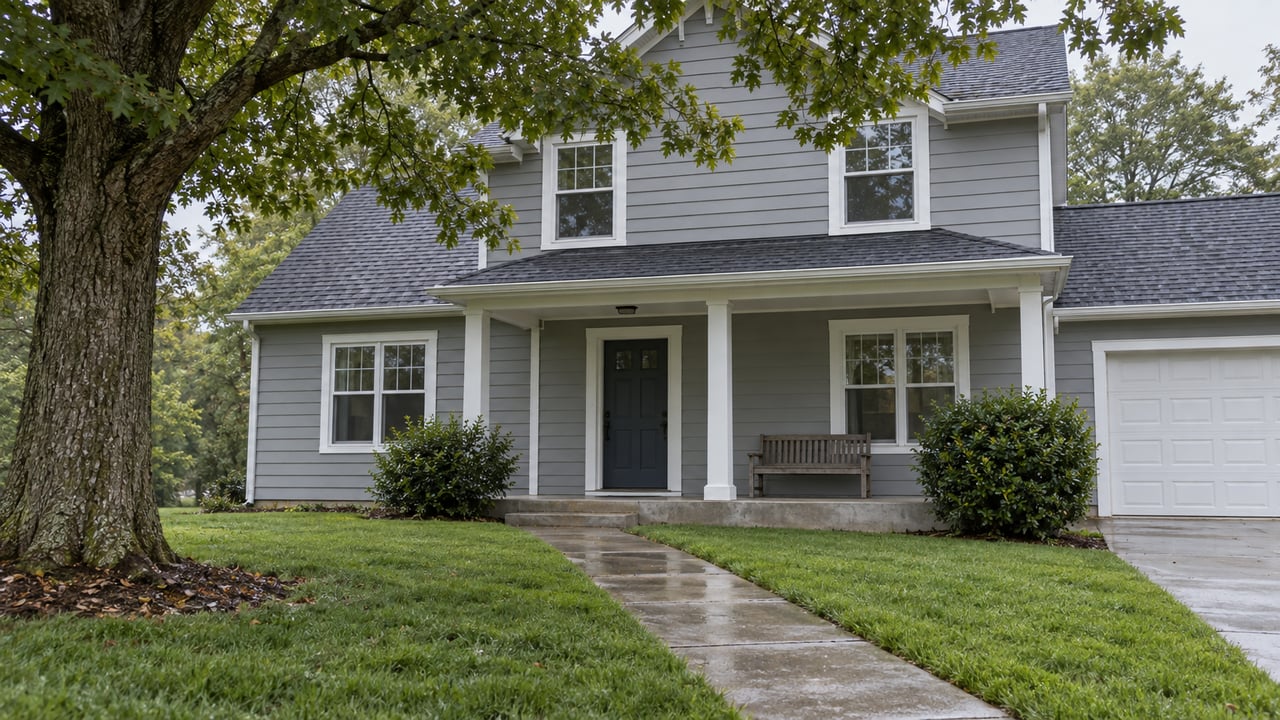
The key idea is consistent even when the exact wording varies. This area is tied to one of Alpharetta’s oldest residential corridors and is known for its collection of original cottage homes, along with the broader downtown setting that continues to evolve.
Why Lock-And-Leave Works Here
Lock-and-leave living usually appeals to buyers who want less day-to-day property upkeep and more freedom to enjoy their time. That might mean traveling often, owning a second home, downsizing from a larger property, or simply wanting a more manageable routine.
The Garden District fits that goal because downtown Alpharetta is planned as a compact, mixed-use town center. The city’s comprehensive planning calls for downtown to be the most walkable area in Alpharetta, supported by sidewalks, bicycle connections, and complementary new development.
That planning vision matters in daily life. When more of your routine can happen within a connected downtown setting, your home can function more like an easy home base and less like a property that constantly demands attention.
Walkability Is a Major Advantage
One of the strongest reasons buyers look at the Garden District is simple: you can do more on foot. Official downtown tourism materials describe the area as a place where coffee shops, boutique stores, chef-driven restaurants, and community spaces sit within a few blocks of each other.
For many buyers, that means less time spent driving for every errand or outing. It also creates a lifestyle where dinner, a morning coffee, or an evening stroll can feel built into your week instead of requiring a plan.
The trail network adds another layer of convenience. The Alpha Loop connects Downtown Alpharetta and Avalon, and the city’s trail resources note a one-mile AlphaLoop trail plus more than 15 miles of trails across Alpharetta.
Shared Green Space Adds Convenience
Low-maintenance living does not have to mean giving up outdoor enjoyment. Brooke Street Park helps balance the urban convenience of downtown with open space that is easy to enjoy without maintaining it yourself.
The park is a 5-acre passive park behind City Hall with an arboretum, a bandstand, public art, and access to free parking around downtown or in the garage. For buyers who want nearby greenery without the chores of a larger lot, that can be a meaningful advantage.
Shared spaces like this often support the lock-and-leave mindset. You still get places to walk, relax, and meet friends, but the upkeep belongs to the city rather than the homeowner.
Housing Types Support Simpler Living
The Garden District’s character starts with cottages, but the broader downtown code allows a wider mix of housing types. The downtown code supports detached houses, carriage houses, semi-detached houses, cottage courts, and townhouses.
That variety matters because lock-and-leave living is not one-size-fits-all. Some buyers want the charm of a smaller detached home, while others may prefer attached or semi-attached options that often reduce exterior upkeep compared with a larger traditional house.
In practical terms, the best match for a lock-and-leave buyer is often a smaller infill property or attached home. That is not a guarantee for every property, but it does reflect the housing forms supported in downtown Alpharetta’s planning and development framework.
Downtown Energy Is Part of the Tradeoff
The same features that make the Garden District convenient can also make it more active than a quiet residential enclave. If you are considering this area, it helps to go in with clear expectations.
Downtown Alpharetta hosts recurring events such as the Alpharetta Farmers Market, Alpharetta Food Truck Alley, and the Moonlight Market. That steady programming adds energy and gives residents easy access to community events, but it can also bring more weekend activity.
The city’s current downtown planning work also addresses traffic speeds, pedestrian and bicycle connections, transit presence, parking strategies, and redevelopment opportunities. In other words, the city recognizes that an active downtown comes with movement, demand, and ongoing planning needs.
What Parking and Access Feel Like
Parking is a common question for buyers considering any walkable downtown district. In Alpharetta, this is an active planning topic, and city materials point to parking strategies as part of the Downtown Circulation Study.
For everyday use, Brooke Street Park notes that free parking is available around downtown or in the garage. That can make visits and daily routines easier, especially if you want a walkable setting without giving up access by car.
Still, it is wise to expect busier conditions during market days and special events. If you value absolute quiet and empty streets at all times, this may not be the right fit. If you enjoy an active town center and can accept some event-related activity, the tradeoff may feel well worth it.
Who Should Consider the Garden District
This area often stands out for buyers who want a more streamlined lifestyle in Alpharetta. That can include downsizers, frequent travelers, second-home buyers, or anyone who prefers access and convenience over a large private yard.
It can also appeal to buyers who want to age in place in a walkable setting. Alpharetta’s housing policy supports aging in place and encourages senior-oriented housing near walkable mixed-use areas such as downtown, along with a broader variety of housing types and designs.
If your priority is a home that supports flexibility, proximity, and a lower-maintenance routine, the Garden District is worth serious consideration. The strongest fit usually comes when your lifestyle preferences line up with downtown access and a more compact housing pattern.
How to Evaluate a Property Here
Not every home in or near the Garden District will deliver the same lock-and-leave experience. Before you buy, it helps to look beyond appearance and focus on how the property supports your everyday routine.
Here are a few smart questions to ask:
- How much exterior upkeep does this specific property require?
- Is the home detached, semi-detached, or attached?
- How close are you to Canton Street, Brooke Street Park, and the Alpha Loop?
- What does parking look like on regular days and event days?
- How much downtown activity feels comfortable for your lifestyle?
- Are you looking for historic charm, newer infill design, or a townhouse layout?
A thoughtful home search in this area is less about finding a generic downtown property and more about matching the right home to the way you actually live.
Why Local Guidance Matters
In a district like this, small location details can shape your experience. Two homes may both be described as near downtown Alpharetta, yet feel very different based on street position, housing type, access, and activity nearby.
That is where neighborhood-level insight becomes valuable. A consultative buyer approach can help you sort through the tradeoffs between charm, convenience, upkeep, and day-to-day livability so you can make a confident decision.
If you are exploring lock-and-leave living in Alpharetta, the Garden District offers a compelling mix of walkability, housing variety, and downtown energy. For the right buyer, it can be a smart way to enjoy more freedom with less property maintenance in one of Alpharetta’s most connected settings.
If you want tailored guidance on homes that fit your lifestyle in Downtown Alpharetta and beyond, connect with Dawn Camarda for a complimentary market consultation.
FAQs
What is the Garden District in Alpharetta?
- The Garden District is generally the Canton Street residential area within Downtown Alpharetta, though city documents describe its boundaries slightly differently.
Why does the Garden District fit lock-and-leave living?
- The area supports a more low-maintenance lifestyle because downtown Alpharetta is planned as a compact, walkable mixed-use district with nearby dining, shops, trails, and shared green space.
What housing types are allowed near Alpharetta’s Garden District?
- Downtown code supports several housing types, including detached houses, carriage houses, semi-detached houses, cottage courts, and townhouses.
How walkable is the Garden District in Alpharetta?
- The district benefits from downtown Alpharetta’s walk-first layout, with sidewalks, nearby shops and restaurants, the Alpha Loop, and access to a broader city trail network.
What are the tradeoffs of living in Alpharetta’s Garden District?
- The main tradeoff is that downtown convenience can come with more activity, including event traffic, busier weekends, and occasional street impacts compared with quieter residential areas.
Is parking difficult in Downtown Alpharetta near the Garden District?
- Parking is an active planning topic downtown, and Brooke Street Park notes free parking around downtown and in the garage, though busier conditions can happen during events and market days.