Selling your current home while planning the next one can feel like trying to solve two big puzzles at once. If you are moving up in Johns Creek, you are likely balancing equity, timing, repairs, and the pressure to make smart decisions without slowing down your next move. This roadmap will help you understand what to expect from pricing to closing, so you can move forward with more clarity and fewer surprises. Let’s dive in.
Start With Your Move-Up Strategy
A move-up sale is not just about getting your home on the market. It is about turning your current equity into a practical next step that supports your timeline, budget, and replacement-home goals.
In Johns Creek, recent market data points to a steady, price-sensitive environment. Redfin reported a March 2026 median sold price of $665,000 and a median 25 days on market, while Realtor.com reported a March 2026 median listing price of $722,000, a 98% sale-to-list ratio, and a median 34 days on market. That means strategy matters, especially if you want to sell efficiently and keep your next purchase on track.
Why pricing matters early
For move-up sellers, the key question is not only what your home could be worth. It is what price is likely to convert into usable equity within the timeframe you need.
Because local snapshots vary by source, your pricing plan should be grounded in nearby closed sales and current buyer demand. A thoughtful valuation can help you avoid overpricing, long market time, and unnecessary pressure on your next purchase.
Prepare Your Home Without Creating Delays
Before listing, most sellers focus on presentation. That is important, but in Johns Creek you also need to think about whether planned improvements could trigger permit requirements.
The city’s permitting guidance shows that many common projects may require permits, including additions, interior alterations, finished basements or attics, new decks, and some retaining walls. Only certain minor non-structural repairs under $2,500 may move forward without a permit, and only with Building Official permission.
Focus on high-impact prep
If your goal is to sell and move smoothly, start with simple updates that reduce buyer friction and improve first impressions:
- Declutter and simplify each room
- Deep clean the home from top to bottom
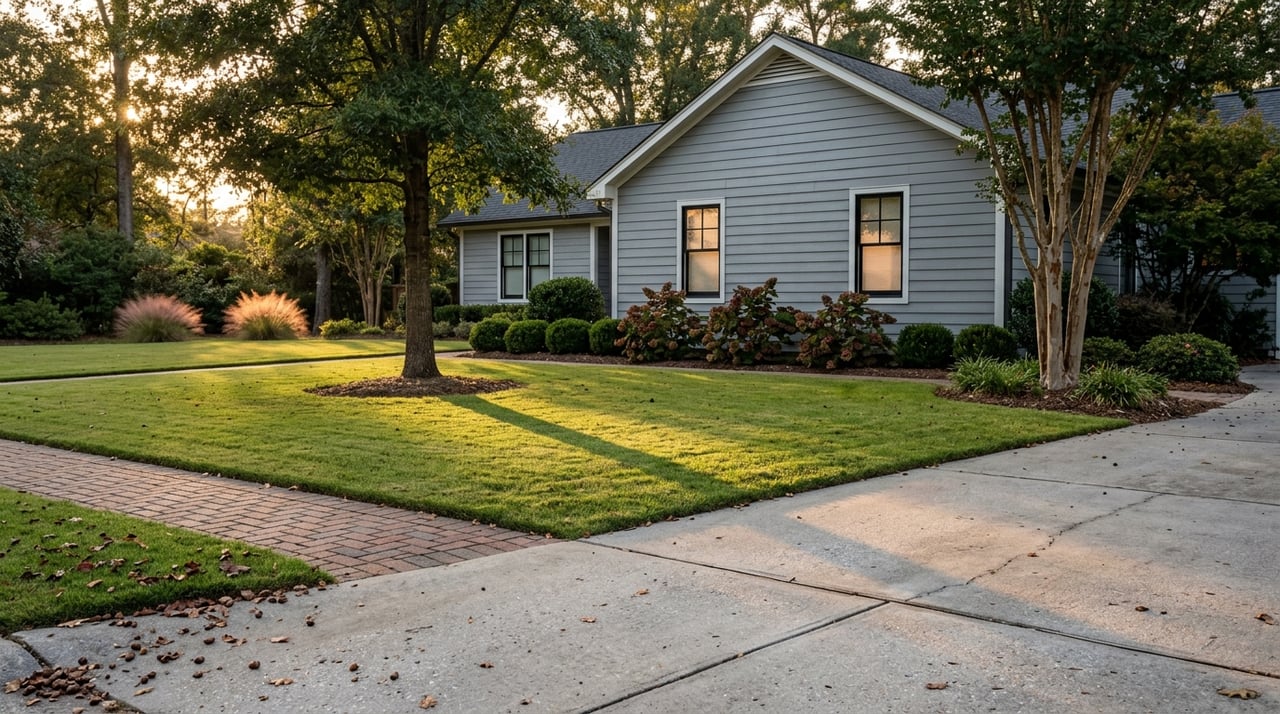
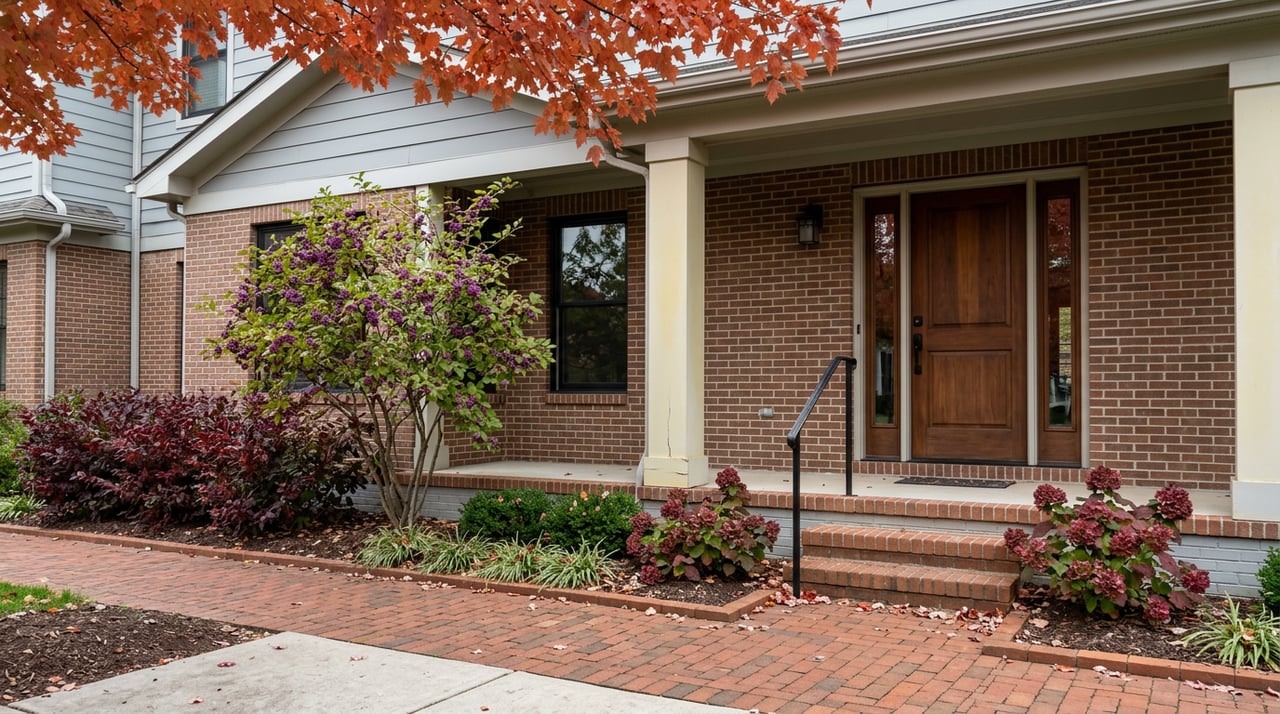
- Refresh curb appeal
- Address small visible repairs
- Check for exterior maintenance concerns before showings
Johns Creek also enforces local property-maintenance standards. Items such as overgrown grass, weeds, rubbish, and garbage can affect how your home presents and may add avoidable stress during the listing period.
Be careful with larger renovations
If you are considering a bigger pre-listing project, check permit requirements first. Even well-intended improvements can create timeline issues if approvals or inspections are needed.
For many move-up sellers, modest, schedule-friendly updates are the smarter path. That can help you get to market faster while still presenting the home well.
Build A Buy-And-Sell Timeline That Works
One of the biggest concerns for move-up sellers is sequencing. You need to sell your current home, protect your buying power, and line up your next move without leaving too much to chance.
A practical first step is to map out your likely equity position, target timing, and financing needs before the home goes live. That way, your listing strategy supports your purchase plan instead of competing with it.
Common timing paths for Johns Creek sellers
Most move-up sellers tend to follow one of these paths:
- List first: Sell your current home before buying, often with a longer closing timeline or post-occupancy period
- Buy first: Purchase before selling, if your cash reserves and loan qualification can comfortably support two homes
- Coordinate closings: Arrange a same-day or near-same-day sale and purchase if your equity position and contract terms allow it
Each option comes with tradeoffs. Selling first often reduces financial pressure, while buying first can offer more flexibility if you are financially prepared.
Why early financing conversations help
If your next home will involve financing, it helps to understand your loan options early. Shopping for a home and reviewing loan options can happen at the same time, which can make your move-up plan more realistic from the beginning.
This step can also help you define what price and timing your current home needs to achieve. For many sellers, that clarity makes listing decisions easier.
Understand Georgia Closing Costs And Transfer Tax
As you move toward contract and closing, Georgia-specific logistics matter. One item move-up sellers should know is real estate transfer tax.
According to the Georgia Department of Revenue, real estate transfer tax is due before a deed can be recorded. The seller is liable for the tax unless the sales contract assigns it differently.
What happens with deed records
Georgia uses the PT-61 electronic filing process for transfer tax reporting, and the recorded deed becomes part of the public record. That recorded history helps establish title records after closing.
While these details happen behind the scenes, they are part of the closing process you should expect. Knowing they exist can make closing day feel much more straightforward.
What To Expect On Closing Day
Closing day is where all the planning comes together. Documents are signed, funds are disbursed if financing is involved, and ownership officially transfers.
For a move-up seller, this is also the point where the sale of your current home connects directly to the next step. If your purchase is closely timed, the details of your sale closing can affect when you access proceeds and when you can move forward with your next home.
Keep an eye on final logistics
In the final stretch, make sure key details are organized:
- Utility shutoff or transfer dates
- Mortgage payoff confirmation
- Closing prorations and settlement items
- Move-out timing
- Access arrangements if post-occupancy was negotiated
A well-managed closing plan helps reduce last-minute stress. It also gives you a cleaner handoff into your next property.
Plan For Taxes After The Move
Once your sale is complete, your attention shifts to your replacement home. In Johns Creek, property tax bills are issued by the Fulton County Tax Commissioner and include county, school-system, and city taxes.
If your next home will be your primary residence, homestead exemptions generally require ownership and occupancy as of January 1 and are generally filed by April 1. Missing those dates could affect your property tax setup, so it is wise to plan ahead after your move.
Keep local timing in mind
For households coordinating around school calendars or commute changes, timing your move can matter beyond the transaction itself. Johns Creek residents attend Fulton County public schools, which may shape when you prefer to list, close, and relocate.
That does not change the closing process, but it can influence the best timeline for your household. A move-up plan works best when it reflects both market realities and day-to-day logistics.
A Smoother Johns Creek Move-Up Sale
A successful move-up sale in Johns Creek usually comes down to three things: realistic pricing, smart pre-listing preparation, and a timeline that supports both your sale and your next purchase. When those pieces are aligned, you are in a much stronger position to move with confidence.
If you are thinking about selling and want a tailored plan for timing, presentation, and next-step strategy, Dawn Camarda can help you map out a thoughtful path to closing.
FAQs
Should I sell my Johns Creek home before buying another one?
- Many homeowners try to sell their current home first before buying another, especially when they want to reduce financial pressure and better understand how much equity they can use for the next purchase.
Do I need loan approval before listing my Johns Creek home?
- It is wise to understand your loan options early because home shopping and mortgage planning can happen at the same time, which helps shape a realistic move-up strategy.
What home projects need permits before listing in Johns Creek?
- Many larger projects may require permits, including additions, interior alterations, finished basements or attics, new decks, and some retaining walls, while only certain minor non-structural repairs under $2,500 may be exempt with permission.
Who usually pays real estate transfer tax in a Georgia home sale?
- In Georgia, the seller is liable for real estate transfer tax unless the sales contract assigns that responsibility differently.
Where do Johns Creek property tax bills come from after closing?
- Johns Creek property tax bills are issued by the Fulton County Tax Commissioner and include county, school-system, and city taxes.