Imagine stepping out your front door and being a few minutes from coffee on Canton Street, a Saturday farmers market, and an evening concert in the heart of Downtown Alpharetta. If you want a life that keeps your car parked more often, the Garden District offers a rare mix of charm, access, and low‑maintenance options. In this guide, you’ll learn what and where the Garden District is, the home types you’ll find, how walkability really feels, and the tradeoffs to consider. Let’s dive in.
What and where is the Garden District
Locals often use “Garden District” or “Garden Arts District” to describe the central Canton Street corridor and the surrounding residential pockets within Downtown Alpharetta. It is a grassroots place name rather than a formal city designation, with coverage describing the area from Old Milton and Vaughn Drive north–south and Main Street to Wills Road east–west, with Canton Street as the spine. You can see this local perspective in a neighborhood profile that highlights the district’s history and village feel (resident write‑up).
The district sits within Alpharetta’s City Center area, so you are close to restaurants, boutiques, and the seasonal farmers market. Several recent infill and mixed‑use projects were built to serve people who want to walk to downtown destinations (Canton Street Commons overview).
Why walkability stands out here
Addresses along and near Canton Street often register “Very Walkable” scores, which reflects easy access to dining, coffee, services, and events by foot. That is different from many suburban pockets in greater Alpharetta that require more driving. Since scores vary block by block, it is smart to check a property’s address for the most accurate read.
Trails increase the appeal. The Alpha Loop is a multi‑use path linking Downtown Alpharetta to Avalon and toward North Point, designed to make walking and biking between activity centers easier (Alpha Loop Foundation). For longer rides or runs, the Big Creek Greenway connects multiple North Fulton communities along a scenic corridor (Big Creek Greenway overview).
Regular programming adds energy. Downtown hosts a large Saturday farmers market in season (farmers market profile) and music events like the Wire & Wood Songwriters Festival (event site). These bring convenient fun, and they also mean more foot traffic and occasional street closures on weekends.
Housing options and lifestyle
Historic streets and early homes
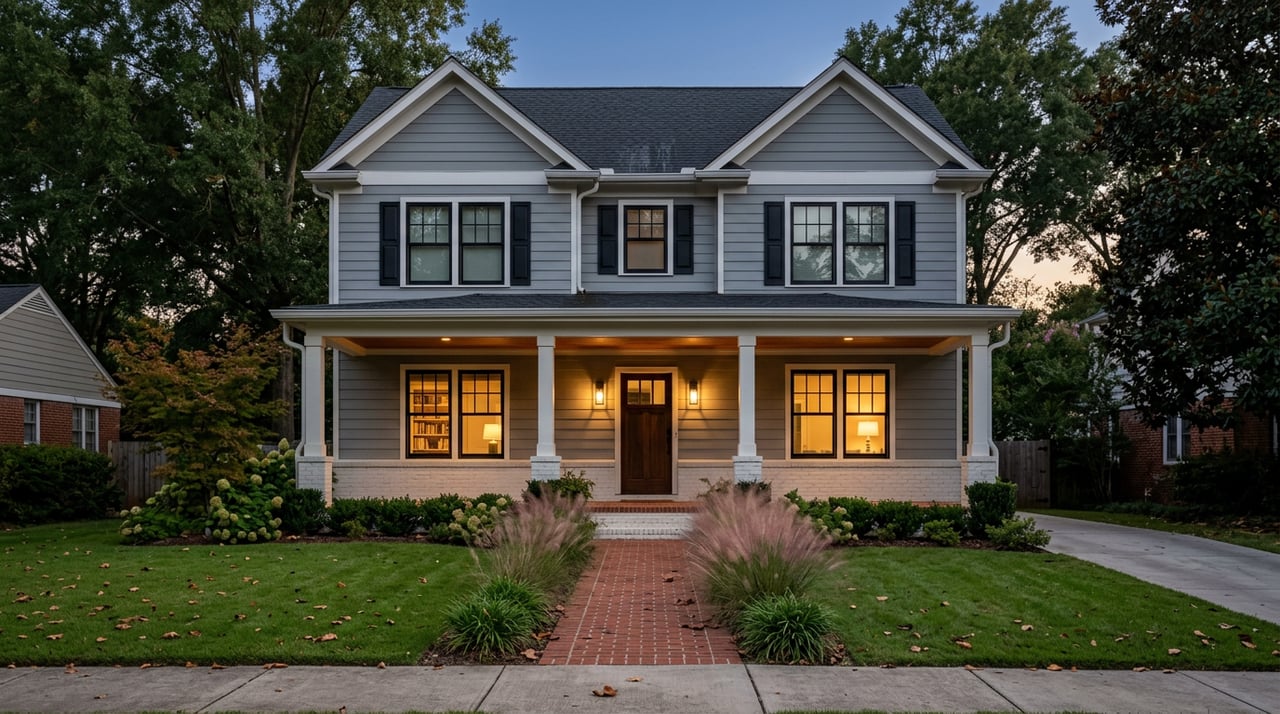
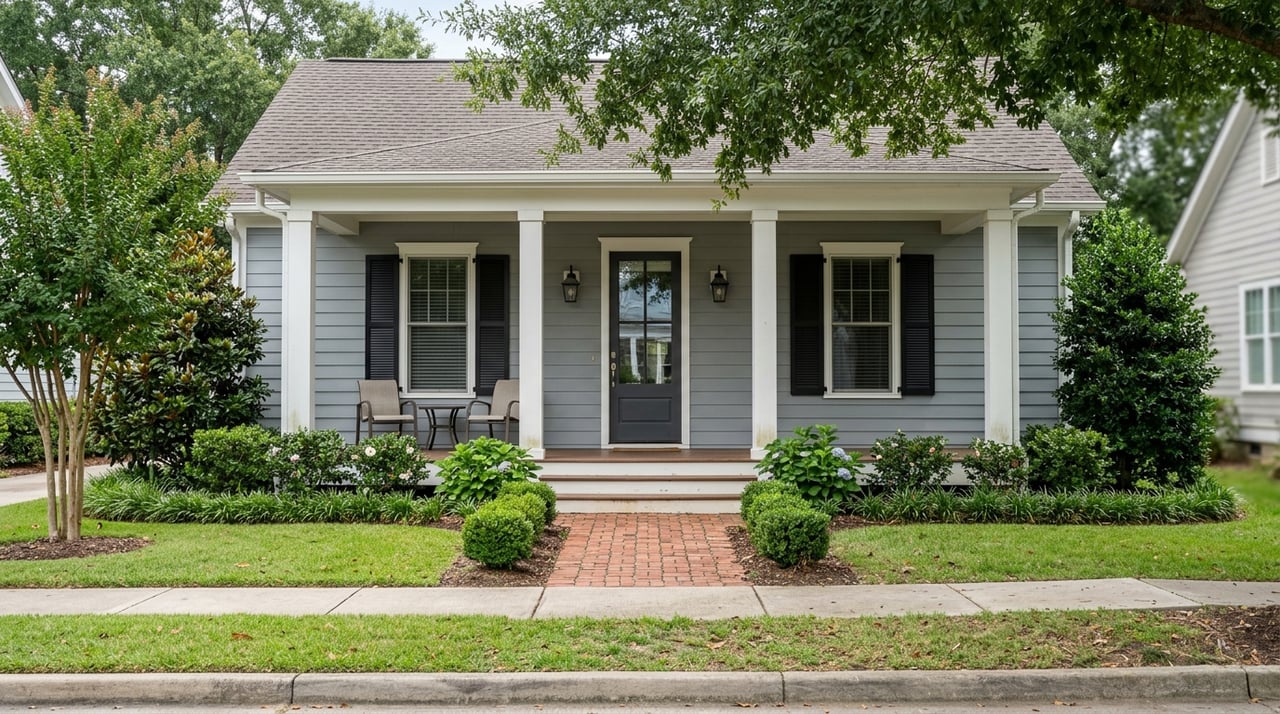
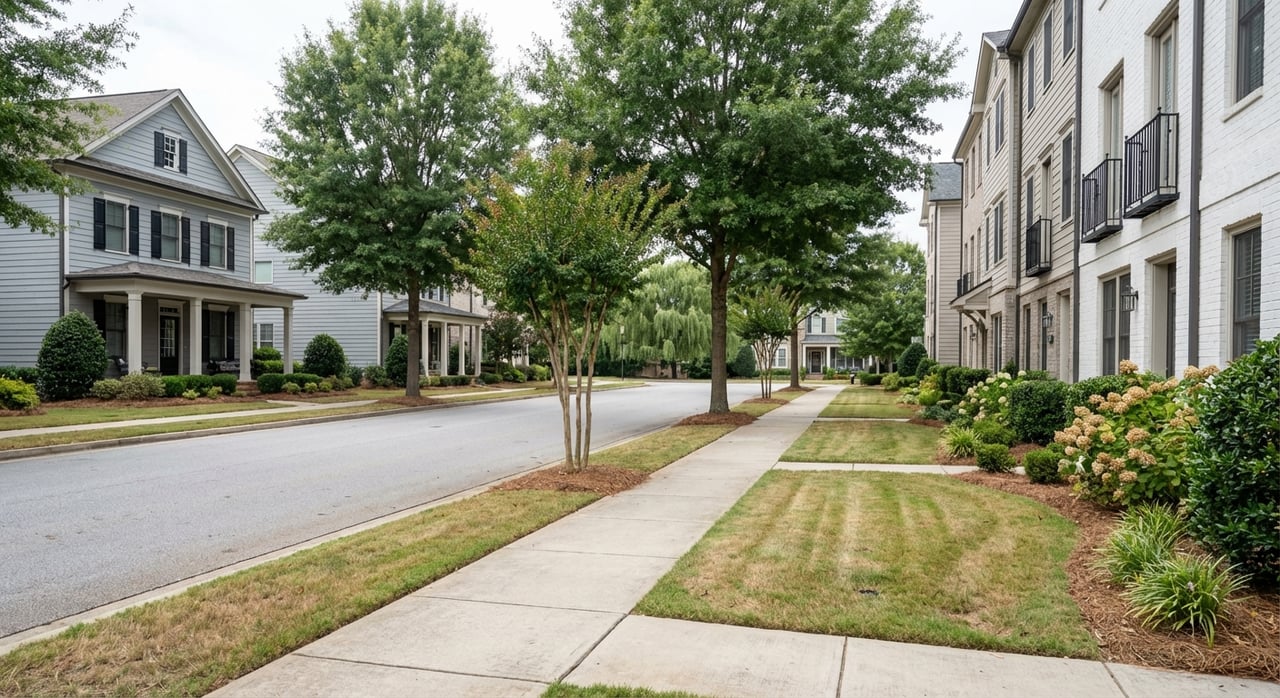
Tree‑lined streets with early 20th‑century homes still define parts of the district. Local coverage references pockets like Stonegate Manor, Surrey Place, and Mayfield Forest for the classic “garden” character and lower‑density feel (local overview). If you like established canopy, front porches, and a quieter residential vibe just off Canton Street, these areas are worth a look.
Townhomes and cityhomes for low maintenance
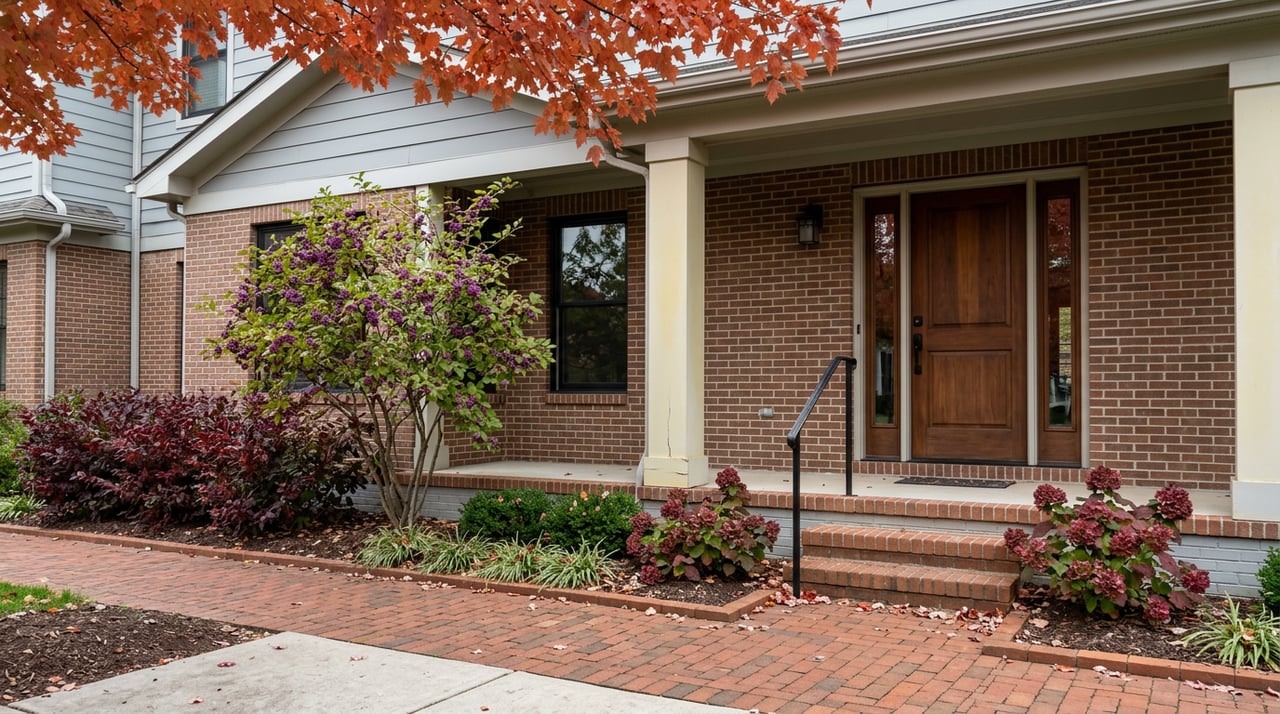
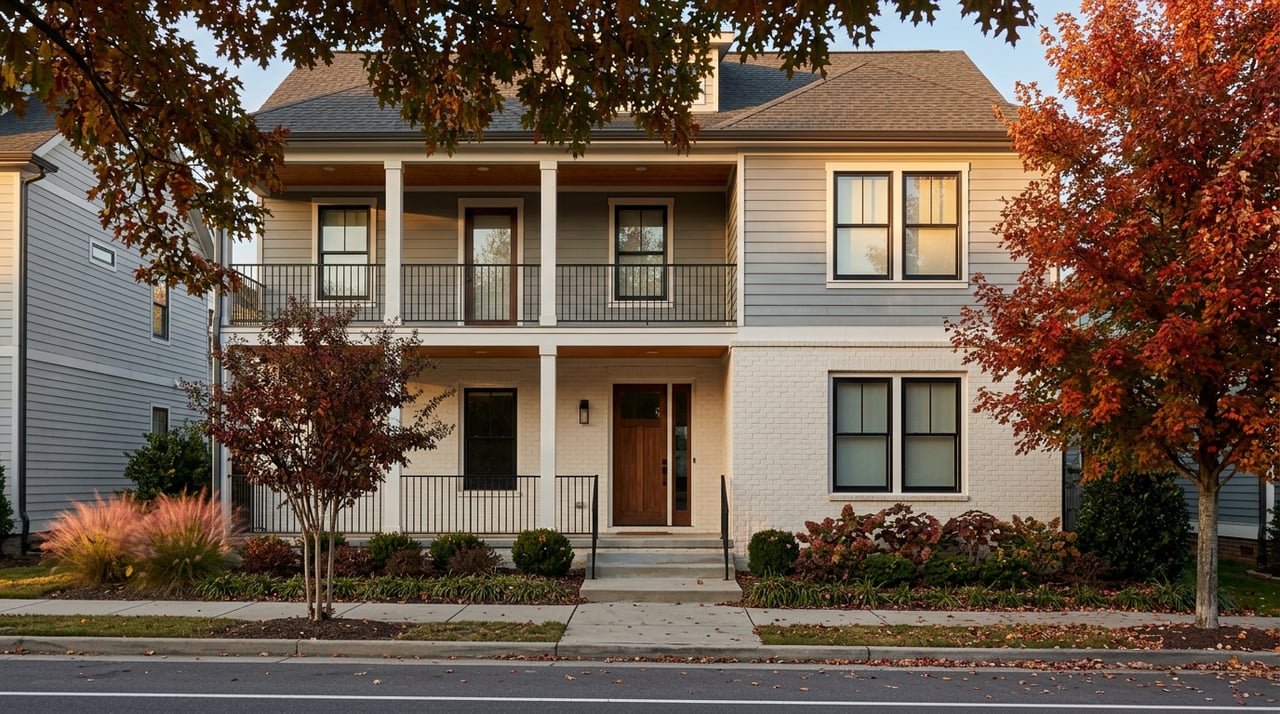
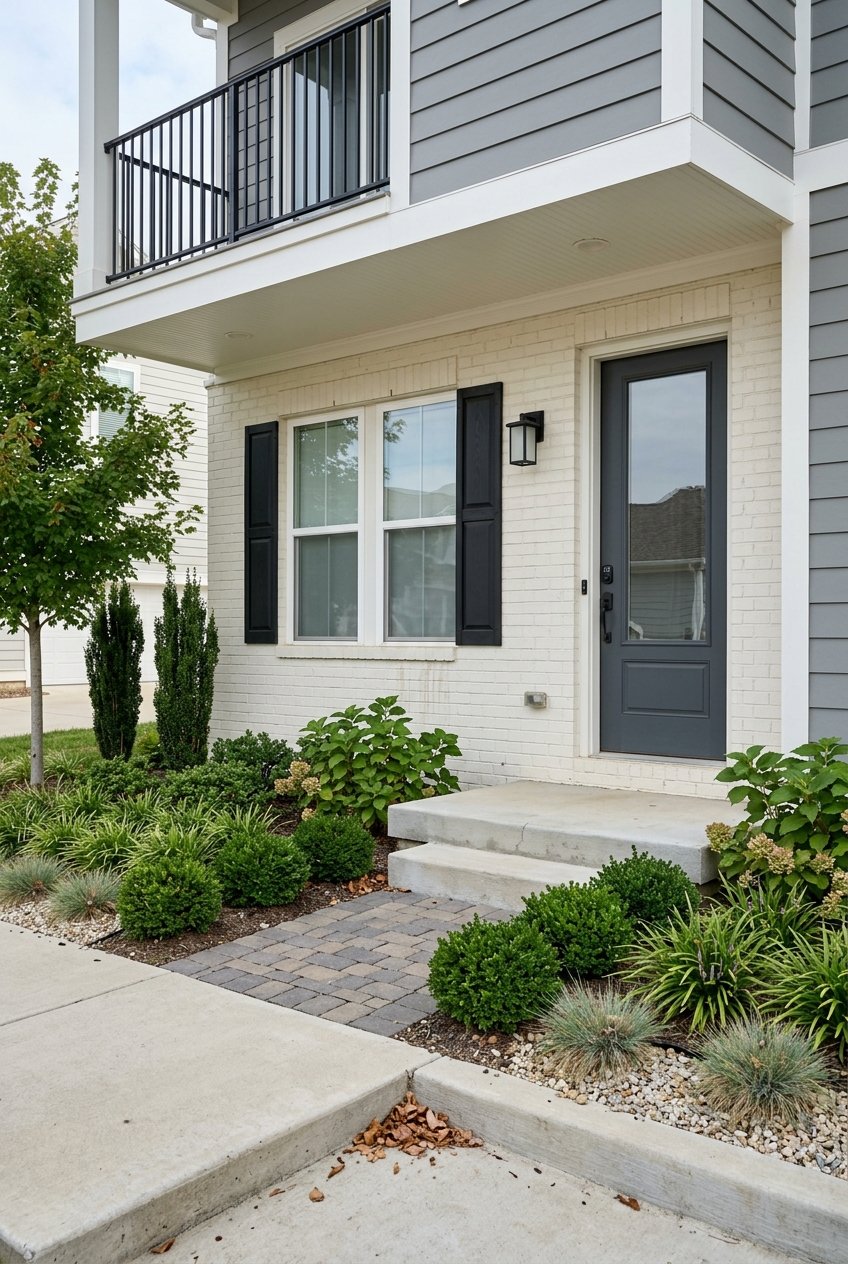
Infill townhome and “cityhome” communities were designed around walkable living. Projects like Canton Street Commons and Victoria Square emphasize sidewalks, front porches, courtyards, and association‑maintained landscaping, which reduces exterior upkeep and supports a lock‑and‑leave lifestyle (developer info). Expect a higher‑density streetscape, attached garages, and quick access to downtown.
One‑level condos with amenities
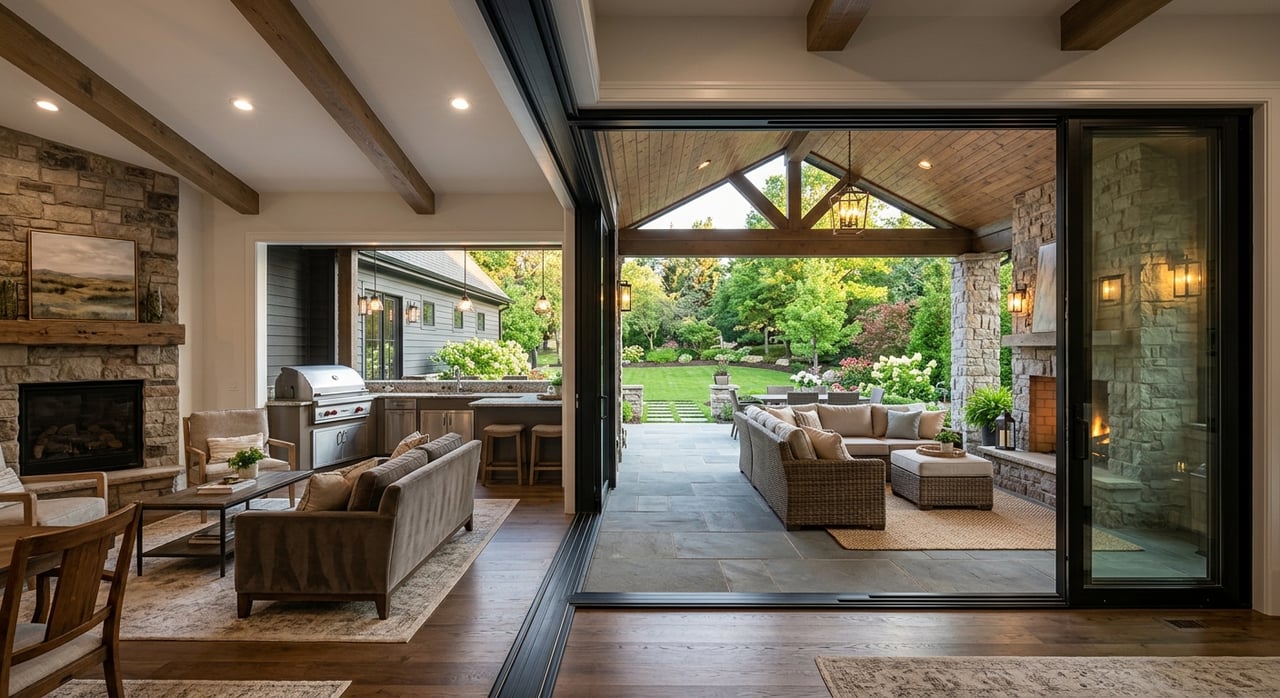
Mid‑rise buildings such as Teasley Place and Alpharetta Lofts offer one‑level condos and penthouses that often include secured parking and amenity or concierge services. These homes are popular with buyers who want to live steps from dining and events with minimal upkeep. Recent listing activity shows that premium downtown condos can command prices above broader city medians, and monthly HOA fees for one‑level units often fall in the mid‑hundreds, with many examples around the 500 to 800 dollars range depending on the building and services. Always confirm current pricing and HOA details on the specific property you are considering.
Pricing context and key tradeoffs
Downtown homes and condos in the Garden District often sell at a higher price per square foot than many outer Alpharetta neighborhoods. You typically trade yard size for location, and you should plan for HOA or condo dues that support shared amenities and maintenance. In return, you gain proximity to restaurants, events, trails, and services.
Pros
- Walk to dining, shops, and events
- Easy access to Alpha Loop and Big Creek Greenway
- Low‑maintenance options and lock‑and‑leave living
- Active downtown programming and energy
Cons
- Smaller private yards and outdoor space
- HOA or condo dues and governance
- Weekend foot traffic and occasional street closures
- Guest parking can be tighter on popular blocks
Getting around and commute notes
Living downtown reduces daily car use for errands and entertainment, yet many commuters still drive or use express bus options. Alpharetta does not have MARTA heavy rail stations, so rail access typically involves driving or bus connections to the North Springs terminus in Sandy Springs (North Springs Station reference). If transit is important, check park‑and‑ride options and bus schedules that align with your work hours.
Schools and how to verify
Downtown addresses are commonly assigned to Fulton County schools that include Alpharetta Elementary, Hopewell Middle, and Cambridge High in recent listings. Attendance zones are address‑specific and can change, so verify the current assignment directly with Fulton County Schools for the property you are evaluating. Use official district tools and confirm again during due diligence.
Quick buyer checklist
- Clarify the micro‑area. The Garden District is a local label centered on Canton Street, roughly bounded by Old Milton and Vaughn north–south and Main Street to Wills Road east–west. Use maps and on‑the‑ground tours to define your target blocks (local overview).
- Match product to lifestyle. Historic single‑family pockets offer charm and green setting. Townhomes and cityhomes deliver walkability with association maintenance (Canton Street Commons). Mid‑rise condos provide one‑level, lock‑and‑leave convenience.
- Understand “lock‑and‑leave.” Look for secured or gated parking, one‑level layouts, association exterior maintenance, and lobby or concierge services where offered. Review HOA budgets, reserves, rules, and any pending assessments.
- Calibrate HOA fees. Downtown condos often show monthly dues in the mid‑hundreds. Verify what is included and how it compares across buildings.
- Test the walk. Visit at different times, including weekends during the farmers market or events, to feel the vibe and evaluate parking, noise, and street activity (farmers market profile; Wire & Wood).
- Explore the trails. Walk or bike the Alpha Loop connection toward Avalon and sample segments of the Big Creek Greenway to assess your real‑world routes (Alpha Loop; Greenway).
Next steps
If the idea of grabbing coffee on Canton Street, catching live music nearby, and leaving yard work to someone else fits your goals, the Garden District is worth a closer look. Our team helps you compare buildings and blocks, understand HOA structures, and position competitive offers in a sought‑after downtown market. To start a focused, concierge‑level search, connect with Dawn Camarda for a complimentary market consultation.
FAQs
What is Alpharetta’s Garden District?
- It is a locally used name for the Canton Street corridor and nearby residential pockets within Downtown Alpharetta, recognized through community use rather than a formal city designation (local coverage).
How walkable is the Garden District day to day?
- Many addresses near Canton Street are considered “Very Walkable,” meaning daily errands and dining are often reachable on foot, though walkability varies by block and specific property.
What home types are common in the Garden District?
- You will find early‑era single‑family homes on tree‑lined streets, newer townhomes and cityhomes with association maintenance, and mid‑rise, one‑level condos with amenity packages.
What does “lock‑and‑leave” living include here?
- Features often include one‑level floor plans, secured or gated parking, exterior and landscape maintenance through the association, and in some buildings lobby or concierge services.
What are typical HOA or condo fees downtown?
- Fees vary by building and services, but many downtown one‑level condos show monthly dues in the mid‑hundreds, with examples around 500 to 800 dollars per month; confirm details for each property.
How does Garden District pricing compare to the rest of Alpharetta?
- Downtown condos and townhomes often command a higher price per square foot than many outer neighborhoods, reflecting location and low‑maintenance living near amenities.
Is there MARTA rail service in Alpharetta’s Garden District?
- There is no MARTA heavy rail station in Alpharetta; most residents drive or use bus options to reach rail at the North Springs station in Sandy Springs (station reference).
Which schools serve Garden District addresses?
- Many downtown listings show assignments to Alpharetta Elementary, Hopewell Middle, and Cambridge High, though boundaries are address‑specific and should be verified directly with Fulton County Schools before you buy.