Which Roswell lifestyle fits you best: a walkable street near the Town Square or a sleek, solar‑ready home in a curated enclave? If you are weighing history against newness, you are not alone. Each path offers real benefits along with costs, timelines, and rules you should understand before you decide. In this guide, you will learn how historic homes and new construction in Roswell compare on design, maintenance, approvals, and buyer fit so you can choose with confidence. Let’s dive in.
Historic Roswell at a glance
Architecture and character
Historic Roswell centers on documented house museums and a designated Historic District that showcase antebellum and 19th‑century architecture. You can explore the area’s heritage through the city’s collection of historic house museums to understand the look and feel that draws buyers downtown.
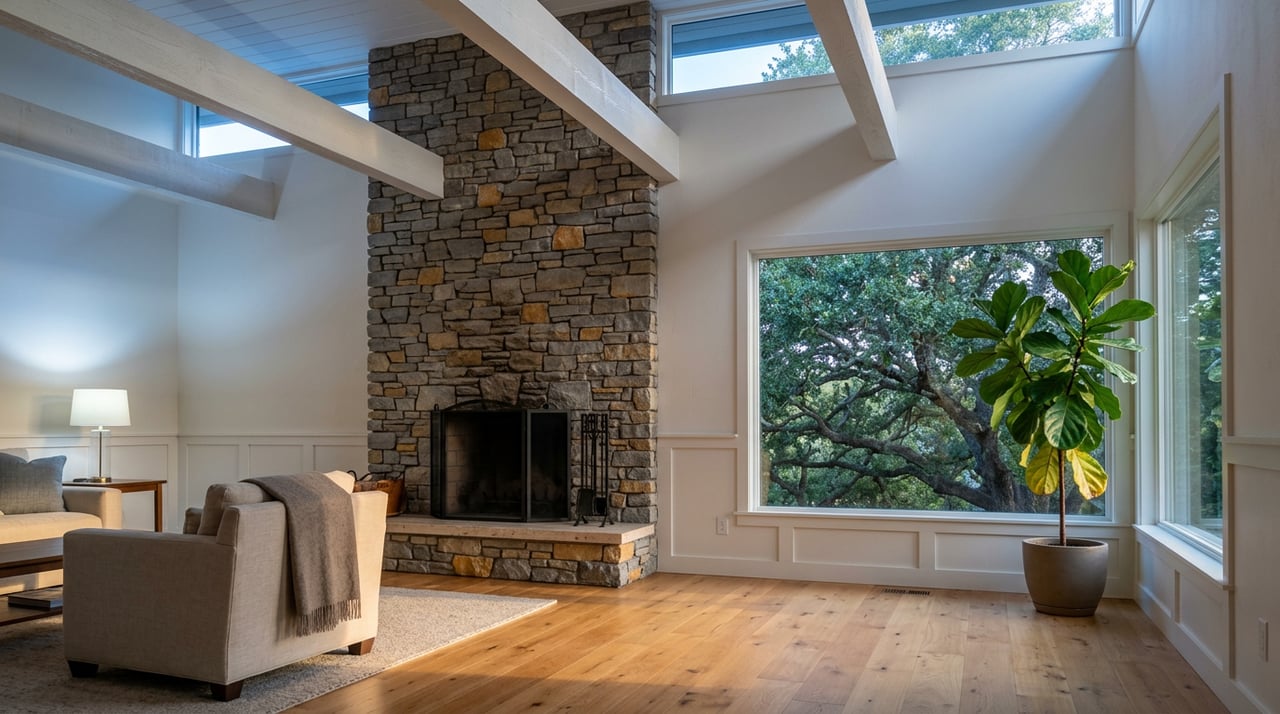
Inside many older homes, you will find central or side‑hall plans, formal parlors and dining rooms, tall windows, and detailed millwork. Kitchens were often smaller in the original footprint, then expanded during later updates. For a concrete example of period layout and finishes, review the city’s page on Barrington Hall.
Preservation and approvals
If the property sits inside the local Historic District, expect a design review for exterior changes. Roswell’s Historic Preservation Commission typically requires a Certificate of Appropriateness for exterior alterations, demolition or relocation, and new construction within the district. You can confirm the process on the city’s boards and commissions page.
Plan for added time to prepare drawings, material samples, and any street‑facing updates for review. This step protects neighborhood character, but it can extend your renovation timeline. A well‑sequenced plan helps you avoid delays.
Renovation and risks
Older homes can deliver unmatched charm, yet they often need system upgrades. Common projects include electrical panel updates, plumbing replacements, HVAC improvements, roof and flashing work, and moisture or drainage fixes. In Georgia, lenders often require a wood‑destroying insect inspection; order an official WDI report and be ready to address any active issues as part of closing. Learn more about termite letters from this Georgia WDI inspection overview.
If the home was built before 1978, you should also plan for lead‑safe practices when disturbing painted surfaces. The EPA’s Renovation, Repair and Painting rules apply in these cases and may require certified contractors, which can add time and cost. Review the EPA’s consumer guide to the RRP program to understand what to expect.
Budgeting is critical. National analyses show that ongoing maintenance and “hidden” ownership costs are real and can be significant, especially for older properties. It is smart to hold a 10 to 20 percent contingency for historic renovations to cover hidden conditions. See Bankrate’s breakdown of homeownership costs for context as you plan.
Financing a fixer in Roswell
If you want to buy and renovate in one move, consider renovation‑friendly mortgages. FHA 203(k) and Fannie Mae HomeStyle Renovation loans can combine purchase and rehab budgets, with consultant oversight and staged draws. Start lender conversations early and ask about documentation and timelines for a 203(k) or similar product.
Lifestyle and walkability
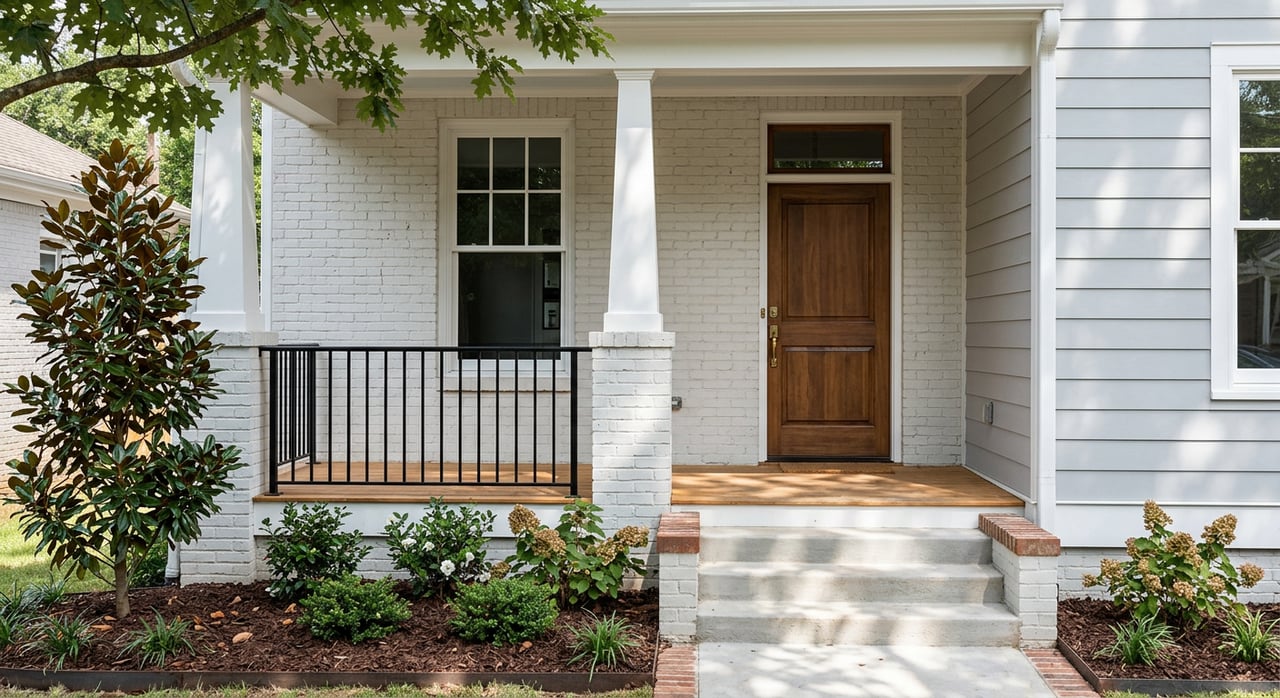
Living near the Town Square gives you a classic small‑town rhythm: walkable streets under a mature tree canopy, local restaurants, and frequent community events. The city’s museums and downtown anchors reflect a sustained investment in heritage and placemaking. Explore Roswell’s historic sites to get a feel for daily life around the core.
New construction in Roswell today
Floor plans and features
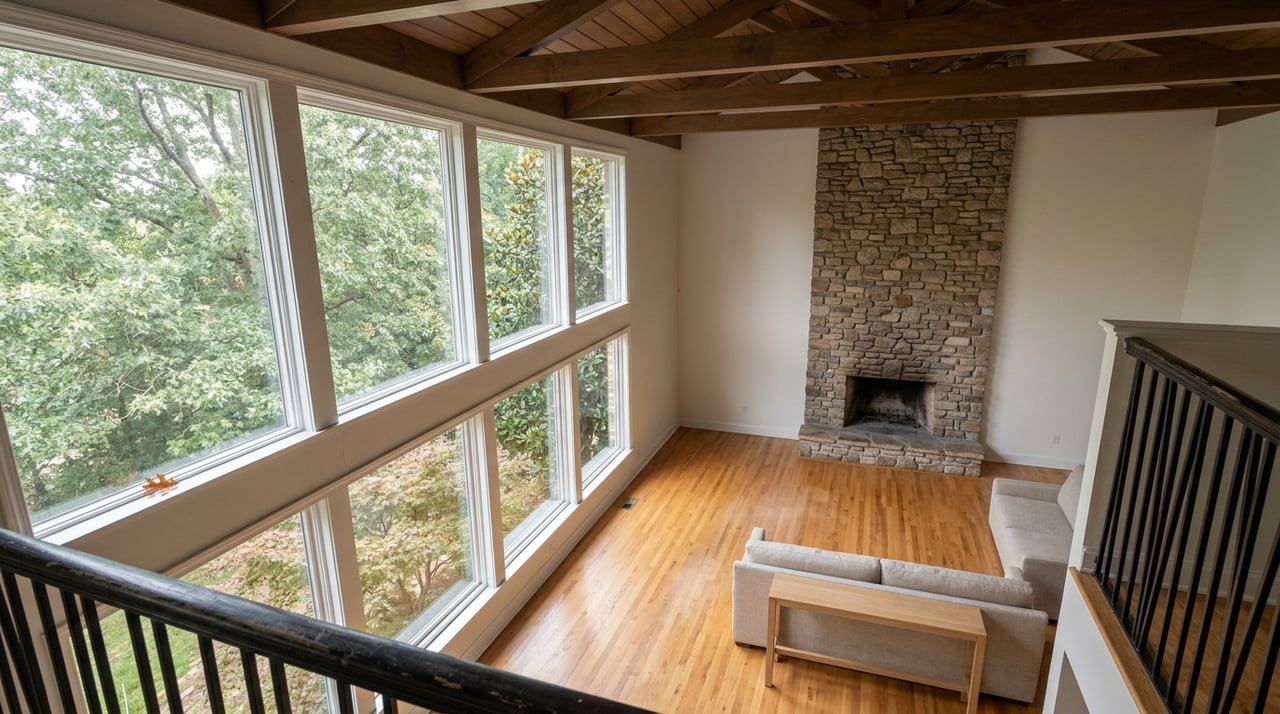
Roswell’s newer homes tend to prioritize open living and flexible space. Expect kitchen‑island, family‑room layouts, larger pantries, mudrooms, and dedicated home offices or flex rooms. Many plans offer a main‑level primary suite and covered outdoor living for easy indoor‑outdoor flow. For a local example of modern living features, review Brightwater’s design approach at Aster and its Scandinavian‑inspired plans.
Local examples
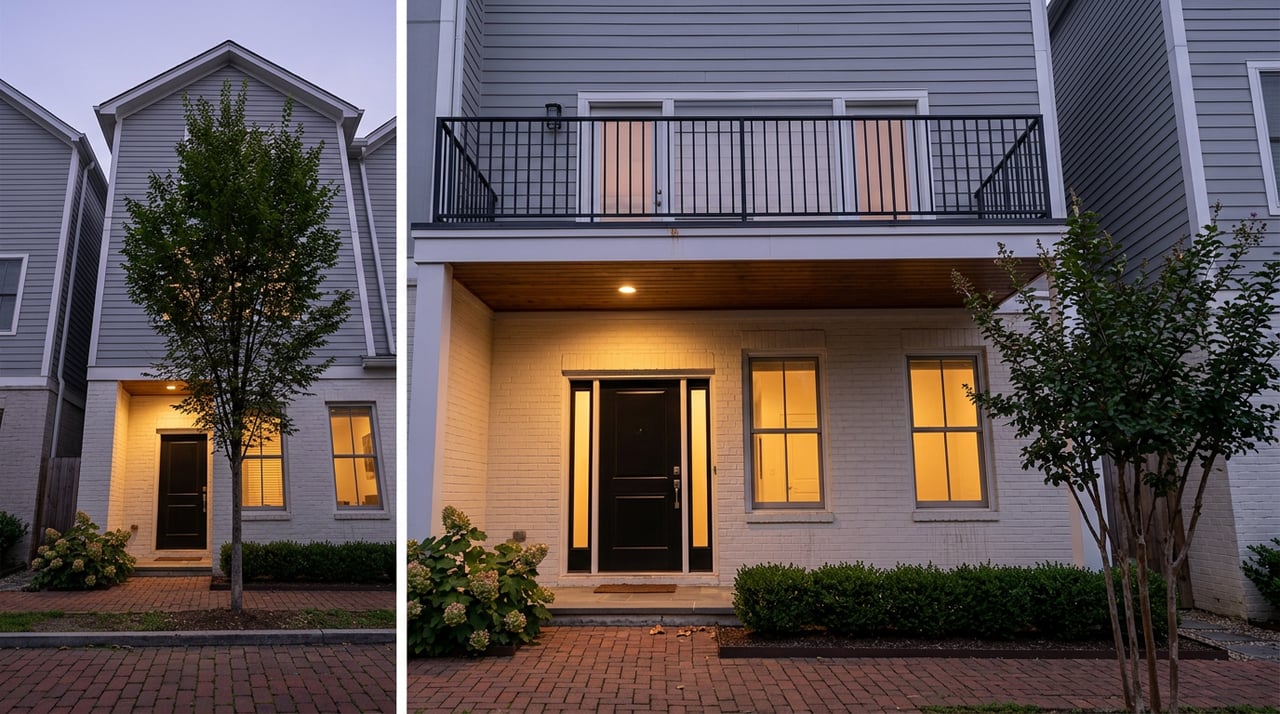
New construction in Roswell often arrives as small, curated communities rather than giant master‑planned neighborhoods. Aster by Brightwater Homes illustrates a premium, sustainability‑forward approach with high‑performance construction and included solar arrays. You can browse the community overview for Aster on Brightwater’s site to see how they present a net‑zero vision in Roswell’s context and price positioning at the higher end of the market. Learn more about Aster’s concept and features on the community introduction.
Amenities, HOAs, and maintenance
Many new communities include HOA‑maintained common spaces, trails, or small pocket parks. The tradeoff is simple: you pay recurring HOA fees, and in return you take on less day‑to‑day exterior maintenance. Covenants and design standards vary, so compare rules if you like to personalize landscaping or exterior finishes.
Energy features and solar credits
Builders increasingly market energy performance, from tighter envelopes to efficient systems and solar. If a home includes solar, ask two questions: who owns the system and who can claim any tax credit. IRS guidance on the Residential Clean Energy Credit indicates a 30 percent credit applied to qualified property placed in service from 2022 through December 31, 2025. Always confirm eligibility and ownership structure, and consult a tax advisor. You can review the IRS page on the Residential Clean Energy Credit and verify with the builder what is included.
Pricing and delivery
Many Roswell new builds are delivered in phases with set option windows and projected completion dates. You gain predictability on code compliance and warranties, but you still need to confirm release schedules and selections to avoid closing shifts. Pricing sits from upper‑mid to premium compared to older resales, reflecting brand‑new systems, energy features, and community amenities.
Side‑by‑side: costs, timing, and fit
Money and ownership costs
- Historic homes may sell at a premium for location and character, or they may price below newer homes if condition adds risk. Either way, you should plan for higher near‑term maintenance and specialized trades for period‑correct work.
- New construction often carries a higher sticker price but gives you lower immediate maintenance and builder warranties. Budget for HOA fees when amenities and common areas are included.
- For both paths, include an annual maintenance line in your budget. Bankrate’s analysis highlights maintenance as a major component of ownership’s hidden costs, which supports a healthy reserve. See the Bankrate report for perspective.
Timing and process
- Historic plus renovation: set aside extra time for design, Historic Preservation Commission review if exterior work is planned, permitting, and contractor selection. If you use a renovation mortgage, factor in underwriting and draw inspections tied to your 203(k) or similar loan.
- New construction: timelines are more predictable, but community releases, weather, and selections can still move target dates. Ask for a written schedule and warranty summary, and verify what finishes are included.
Which buyers each suits
- Historic and downtown: a strong fit if you want walkability, architectural character, local festivals, and a deep sense of place. You should be comfortable with either a finished historic home or the time and budget that preservation‑minded renovations require. Explore the area’s historic sites to picture your daily routine.
- New construction: ideal if you value open plans, energy performance, fewer immediate repairs, and community amenities. Floor plans with a main‑level suite, home office, and outdoor living tend to align with today’s needs, as shown in Aster’s modern design approach.
Quick decision checklist
Ask yourself these questions to get clear fast:
- Do you want to live within walking distance of Roswell’s downtown restaurants and festivals, or would you prefer a private, amenity‑oriented neighborhood? Use the city’s historic site pages to visualize the downtown lifestyle.
- What is your renovation appetite in time and dollars? If it is low, lean new. If it is high, historic homes can be rewarding. Bankrate’s ownership cost analysis can help you size a realistic reserve.
- Will you need a renovation mortgage like FHA 203(k) or HomeStyle? Talk to lenders early about 203(k) requirements.
- Is the property inside the Roswell Historic District or otherwise subject to design review? If yes, plan for a Certificate of Appropriateness. Start with the city’s HPC information.
- For energy features or included solar, confirm whether any federal credits apply and who claims them. Review the IRS Residential Clean Energy Credit and ask the builder about ownership.
Market snapshot and what it means
As of early 2026, citywide averages suggest Roswell sits in a mid‑$600k range, with neighborhood‑level variation between historic pockets and newer enclaves. Short‑term market indicators point to balanced conditions that can tilt slightly in buyers’ favor depending on area and property type. Use current MLS comparables by neighborhood rather than citywide medians when you size offers or renovation budgets.
The takeaway is simple. Your best move is to anchor decisions in hyperlocal data and your personal priorities, then choose the path that fits your timeline and tolerance for projects.
Your next steps with an advisor
If you are drawn to historic Roswell:
- Schedule a full home inspection and an official termite/WDI letter. See the Georgia WDI overview.
- Ask for any prior Certificates of Appropriateness and permits tied to the home. Review the HPC process so you know what exterior changes require approval.
- Build a 10 to 20 percent renovation contingency and map a realistic timeline.
- Talk to a renovation‑savvy lender early about 203(k) or HomeStyle.
If you prefer new construction:
- Request the builder’s spec sheet and warranty terms in writing.
- Confirm all included energy features, solar ownership, and any tax credit eligibility per the IRS guidance.
- Review HOA covenants and projected fees so you understand maintenance tradeoffs and design rules.
Ready for a side‑by‑side plan tailored to your goals in Roswell? Reach out to Dawn Camarda for a complimentary consultation and a curated path to your next home.
FAQs
What approvals do I need to renovate a historic Roswell home?
- If the home is in the Historic District, exterior changes usually require a Certificate of Appropriateness reviewed by the Historic Preservation Commission; see the city’s HPC information.
Which inspections are most important for an older Roswell home?
- Order a full home inspection plus a wood‑destroying insect inspection and official termite letter, common in Georgia transactions; review this WDI inspection guide.
How do HOA rules in new Roswell communities affect owners?
- HOAs typically maintain common areas and set design rules, which can reduce your personal maintenance while adding monthly fees and some limits on exterior changes; ask for covenants and a written spec and warranty sheet.
Are solar tax credits available if my new Roswell home includes panels?
- IRS guidance states the 30 percent Residential Clean Energy Credit applied to qualified property placed in service from 2022 through December 31, 2025; confirm eligibility and ownership using the IRS page and consult a tax advisor.
Can I finance a Roswell renovation with my mortgage?
- Yes. Options include FHA 203(k) and conventional renovation loans such as HomeStyle, which combine purchase and rehab budgets; start with the HUD overview of 203(k).