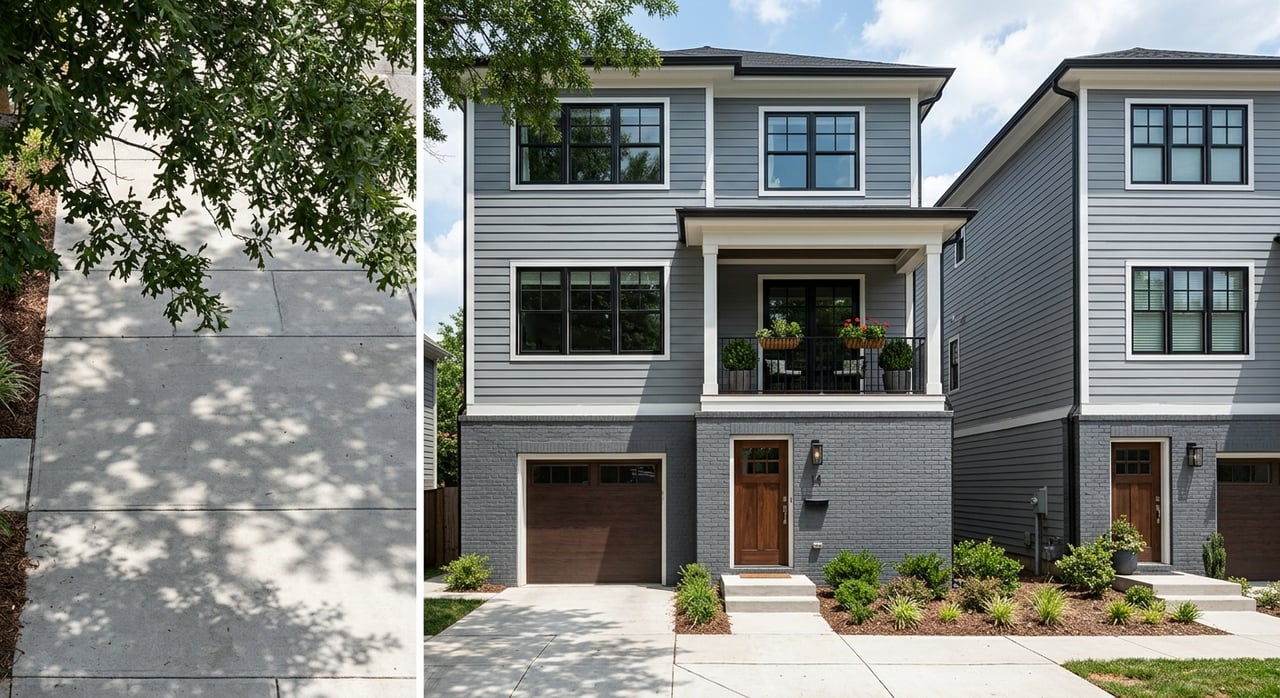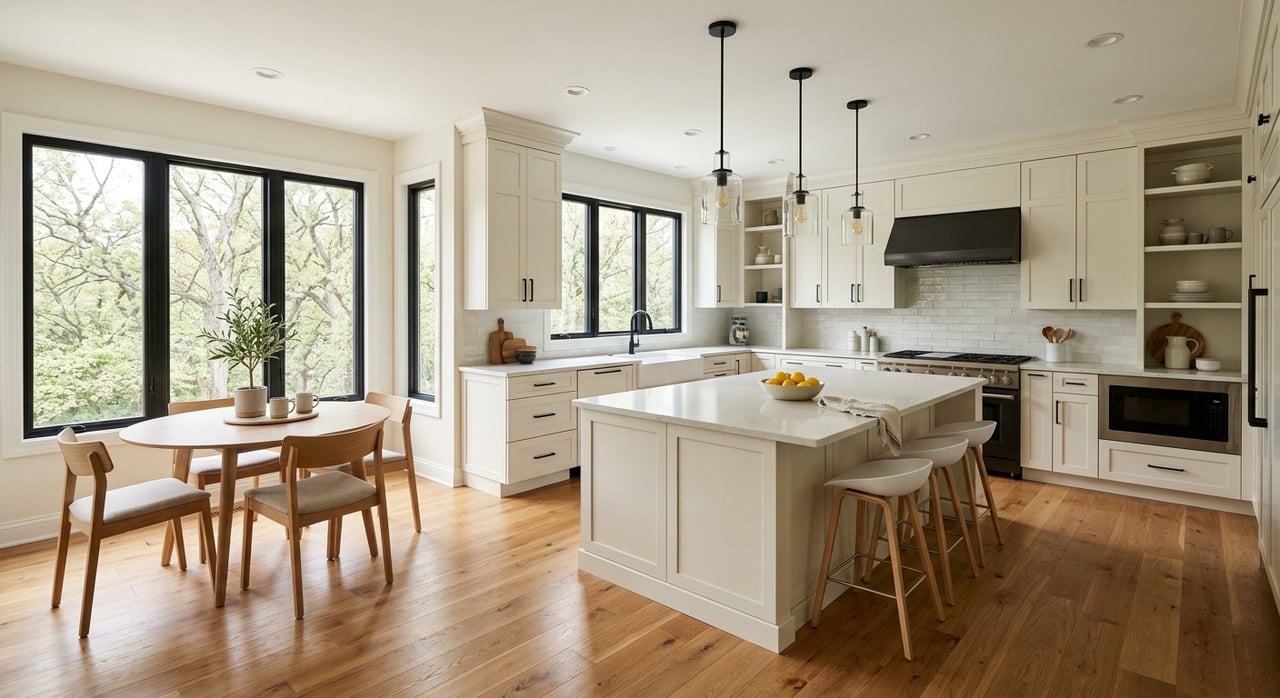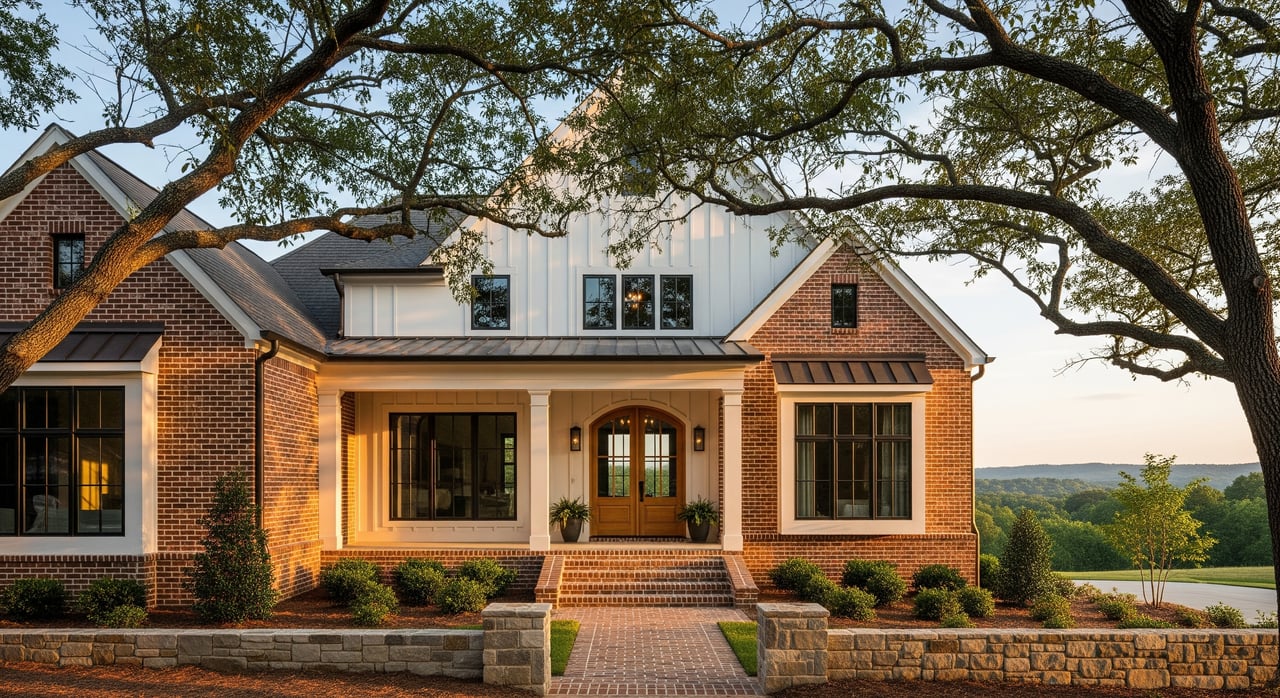
Deciding whether to build new or buy resale in Woodstock can feel like a moving target. You want the right house, on the right lot, without surprises in timing or budget. In this guide, you’ll learn how new construction and resale compare on timelines, costs, lots and HOAs, warranties, and upgrades specifically in Cherokee County. You’ll also get a practical checklist and next steps to make a confident choice. Let’s dive in.
Woodstock and Cherokee County context
Cherokee County and Woodstock have grown steadily, which shapes both resale inventory and the pace of new communities. You’ll see a blend of established neighborhoods, infill homes, and larger master-planned subdivisions on the county fringe. That mix means you can choose from mature lots with character or newer amenities and modern floor plans.
When you evaluate a specific property or homesite, pay attention to local site details. Confirm sewer vs septic availability, since that affects both upfront cost and long-term maintenance. Note tree-preservation rules that can impact clearing and landscaping plans. Lot topography and Georgia clay influence foundation type and grading costs. Also check for any floodplain or stream buffers that limit buildable area and future improvements.
Commuting and daily life matter too. Look at access to I-575 and GA-92, and consider current and planned infrastructure in your part of the county. Proximity to schools, parks, and shopping can affect both your routine and future resale.
New construction: what to expect
If you build from a plan, a realistic timeline is 6 to 18 months depending on the builder, lot prep, and complexity. Supply chain delays for items like windows, HVAC, and appliances can affect schedules. Quick-move-in spec homes can close in 30 to 120 days if they are already underway. Builders may offer incentives or price holds depending on market conditions and inventory.
Most builders limit home-sale contingencies and prefer buyers with strong pre-approvals. If you need to sell first, plan for interim housing or bridge solutions. Local permitting, utility approvals, and inspections add time, so ask for the builder’s recent permit performance and expected milestones.
New homes typically include a tiered warranty structure. Many builders offer a 1-year workmanship warranty, a 2-year systems warranty, and a 10-year structural warranty. Even with a warranty, hire an independent inspector for pre-drywall and final inspections. A thorough punch list at the final walkthrough sets clear expectations for post-closing fixes.
Resale: what to expect
Once you find the right resale home and agree on terms, you can often close in 30 to 45 days with conventional financing. Expect a 7 to 14 day inspection period for general, termite, and any specialty inspections. Possession is typically at closing or a negotiated date, which makes resale a strong option when you need a faster move.
Negotiation on resale depends on days on market, condition, and seller motivation. In established neighborhoods, HOA rules and fees are known, and common areas are already in place. This can provide clearer expectations for assessments and amenities compared to a new community still building out.
New vs. resale at a glance
| Factor | New Construction | Resale |
|---|---|---|
| Timeline to move-in | Build from plan often 6–18 months; spec homes 30–120 days | Commonly 30–45 days after contract |
| Customization | High during design phase; structural choices set early | Limited to renovations after closing |
| Upfront price clarity | Base price plus lot premium and upgrades | Purchase price plus any immediate repairs or updates |
| Financing | Construction-to-perm or two-close options; more documentation | Standard mortgage options with routine appraisal |
| Appraisal risk | Can be tricky if few comps exist in new phase | Based on recent neighborhood comps |
| HOA/community | Rules may evolve as developer transitions control | Established rules, fees, and amenities |
| Lot certainty | Future neighboring lots may be unknown during build-out | Surroundings are usually established |
| Warranty/maintenance | Tiered builder warranty; lower early maintenance | No builder warranty; condition varies by home |
Costs and financing in practice
With new construction, the base price is just the start. Add any lot premium for preferred sites like cul-de-sacs or larger yards. Budget for upgrades, since builder allowances can be modest. A common rule of thumb is 5 to 10 percent of the base price for mid-level upgrades, more for high-end customization. Also consider carrying costs if you must hold two homes or rent during the build.
Resale costs are more straightforward, though immediate improvements like flooring or kitchen updates should be factored into your total. Closing costs apply in both cases. Builders sometimes offer credits for closing costs or upgrades. Compare total out-of-pocket using the same assumptions for each property.
Financing differs by path. Resales typically use conventional, FHA, or VA loans with a standard process. New builds can use construction-to-permanent loans, which provide a single closing, or a two-close approach with a separate construction loan and then a permanent mortgage. Construction loans require more documentation and can take longer. Builders often ask for strong pre-approval letters regardless of the route.
Appraisals can be a sticking point. In a new phase with few closed sales, appraisers may blend cost considerations with limited comps, which increases the chance of appraisal gaps. Resales rely on recent neighborhood data, but in fast-changing areas appraisals can lag rising prices. Planning for a potential gap protects your timeline.
Lot and HOA decisions in Cherokee County
Your lot choice shapes daily life and long-term value. Evaluate orientation for natural light, slope for drainage, and tree cover for privacy and future yard plans. Confirm sewer vs septic and ask about soil conditions. If the subdivision is in early phases, review the plat map, where amenities will go, and the expected build-out schedule. Backing to a common area or planned park can feel different from backing to future lots.
Read HOA documents before you commit. New communities often have developer control at first, with staged assessment increases as amenities and reserves are funded. Rules can be stricter during active construction, especially around exterior changes. Established neighborhoods usually have stable fees, documented reserves, and a predictable approval process for improvements. Check rental policies, fencing rules, and any architectural review requirements to avoid surprises.
Also consider planned road improvements, traffic patterns, and nearby commercial growth on county maps. Confirm local school assignments as part of your due diligence.
Warranties, inspections, and risk
Builder warranties commonly follow a 1-2-10 format: one year for workmanship and materials, two for major systems, and ten for structural elements. Coverage and claims processes vary, so read the documentation closely. Ask about transferability if you might move in the near term.
Always hire independent inspectors. For new construction, schedule a pre-drywall inspection to verify framing and rough-ins, then a detailed final inspection before closing. Document everything on a written punch list and confirm timelines for fixes. For resales, standard home, termite, and any specialty inspections help you understand condition and negotiate repairs or credits.
Upgrades that pay off
Some choices are expensive to change later. Structural options, extra windows, fireplace choices, and major layout tweaks are best made during the build. Cosmetic items like paint, cabinet hardware, and many light fixtures can be updated after closing, often at a lower cost. Prioritize durable flooring and kitchen and bath improvements that buyers expect at your price point.
Ask about lead times for appliances, windows, and custom cabinets. Long-lead items can affect your delivery date and may limit selection if substitutions are needed. Energy-efficiency features such as better insulation, modern HVAC, and tight windows can reduce operating costs. Compare potential utility savings against the added cost of higher-efficiency options.
Decision framework: choose with confidence
Use these core questions to clarify your path:
- How critical is your move-in date? If you need certainty, a resale or quick-move-in spec may be best.
- How much customization do you want, and what time and budget will you devote to it?
- Can you bridge housing and financing if your current home sells before a build is complete?
- What is the premium for new vs resale in your target area, and does it fit your financial goals?
- Are you comfortable with HOA and neighborhood evolution during build-out, or do you prefer established stability?
When you compare a specific new build to a resale listing, review these items side by side:
- Total price: base price plus lot premium and upgrades (new) vs purchase price plus near-term improvements (resale)
- Timeline to occupancy and potential delays
- Financing path, pre-approval status, and lender requirements
- Appraisal outlook based on recent comparable sales
- Warranty details and any transferability
- Inspection plan and qualified inspectors
- HOA rules, budgets, and any planned assessment changes
- Utility availability and site constraints, including easements and buffers
- Builder reputation and recent local examples you can tour
- Estimated operating costs and maintenance differences
Next steps to move forward
- Tour a comparable resale, a quick-move-in spec home, and an active construction site to see quality and timelines firsthand.
- Request the builder’s packet: base plans, options and pricing, warranty documents, and a current plat showing future phases.
- Ask for buyer references and walk at least one completed home by the same builder.
- Have a local lender compare construction-to-perm vs two-close costs specific to your situation.
- Hire an independent inspector with new-construction experience for stage inspections.
If you want a clear, side-by-side plan for Woodstock, we can help you compare real homes and real numbers. Book a complimentary market consultation with Dawn Camarda to align your timing, budget, and lifestyle with the right path.
FAQs
Are new construction homes in Woodstock always a better value than resales?
- Not automatically. New homes offer modern systems and warranties with lower early maintenance, while resales can provide established lots, mature landscaping, and sometimes stronger near-term value depending on location and condition.
How long does building a home in Cherokee County usually take?
- Building from a plan typically takes 6 to 18 months, while quick-move-in spec homes can close in about 30 to 120 days depending on stage, materials, permitting, and weather.
What should I budget for upgrades on a new build in Woodstock?
- A common rule of thumb is 5 to 10 percent of the base price for mid-level finishes, with more for high-end customizations; always request a written options and pricing list.
Can I negotiate with a builder in Cherokee County?
- It depends on market conditions. Builders may offer financing incentives or credits for closing costs and upgrades; resale negotiation depends on days on market, condition, and seller motivation.
Do I still need inspections on new construction?
- Yes. Independent pre-drywall and final inspections are recommended to document issues and create a clear punch list, even when the builder provides a warranty.