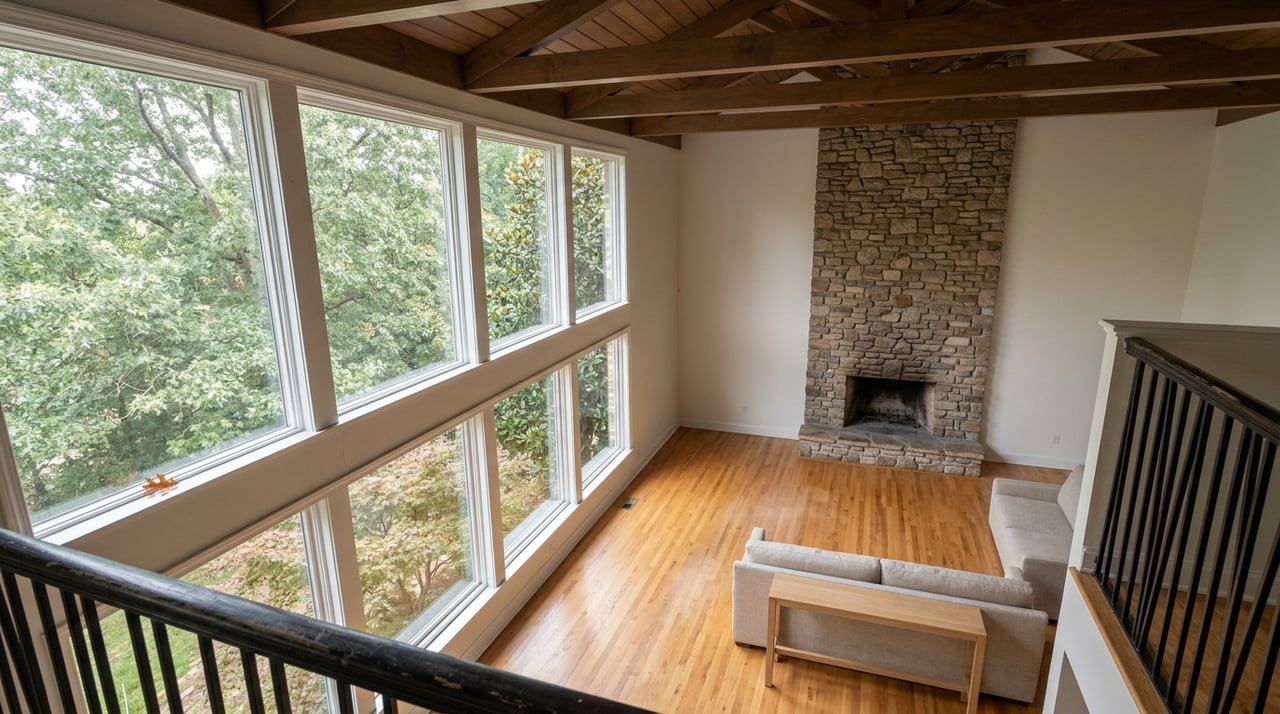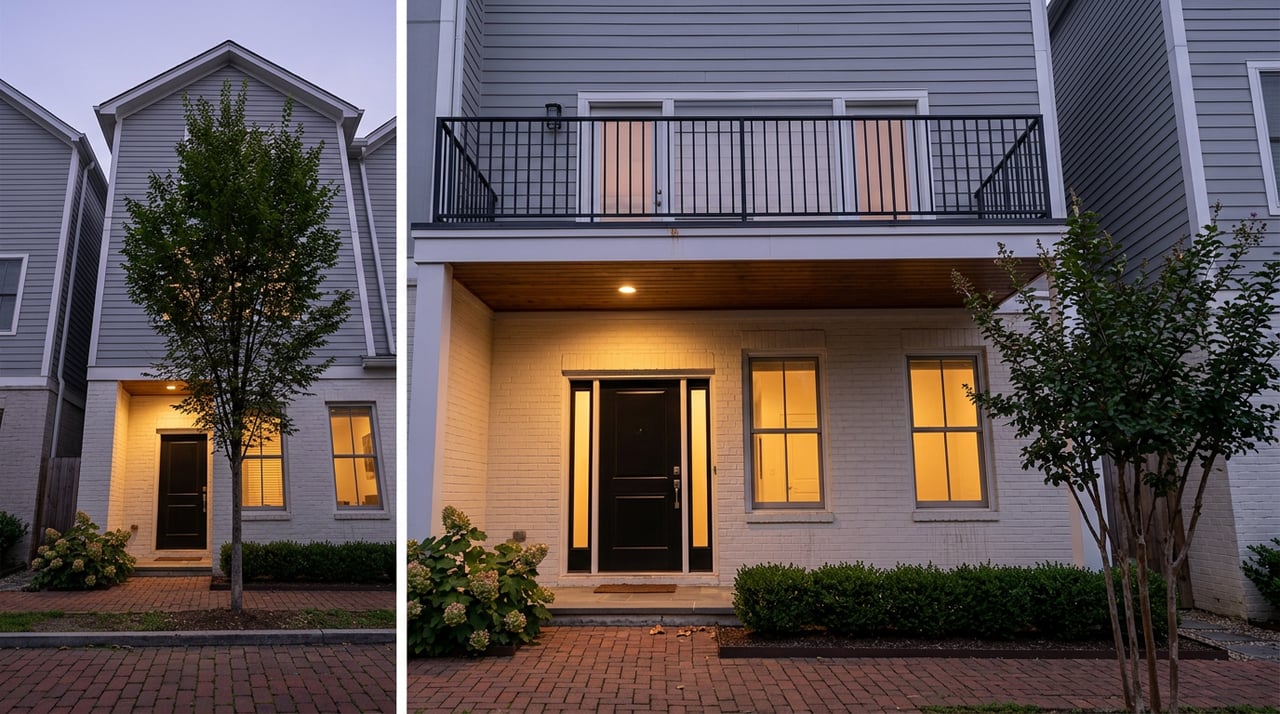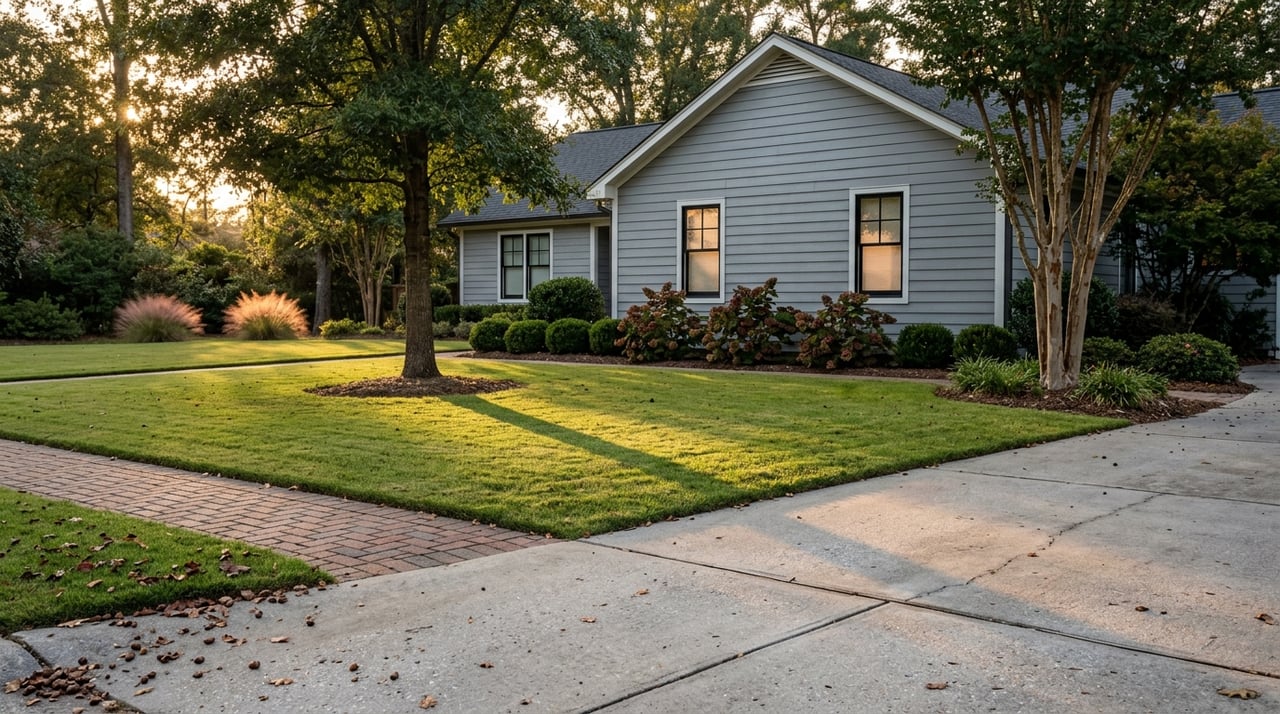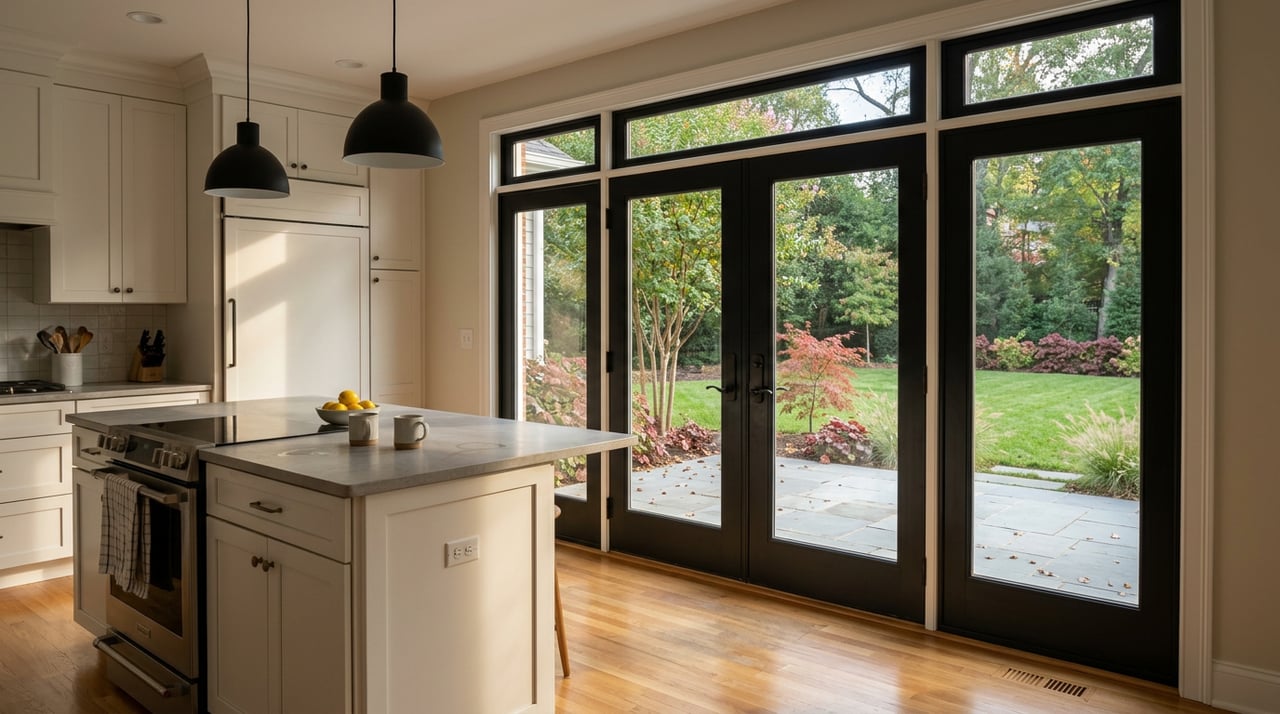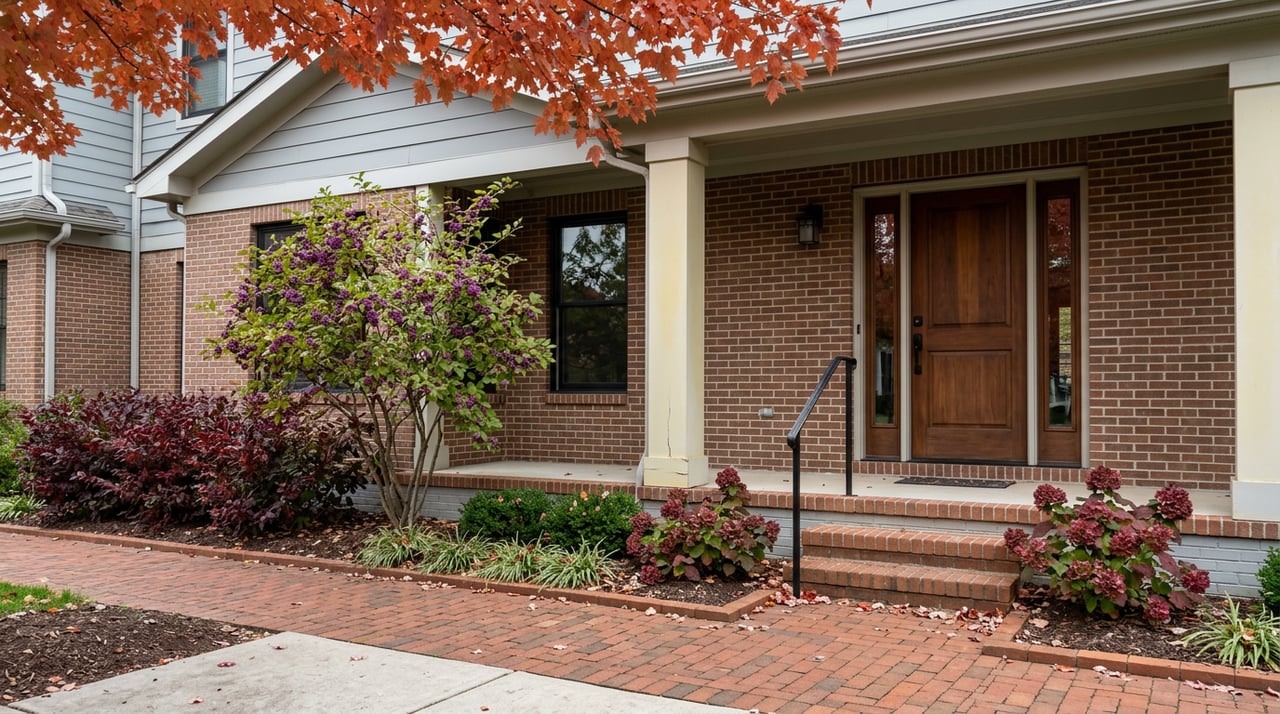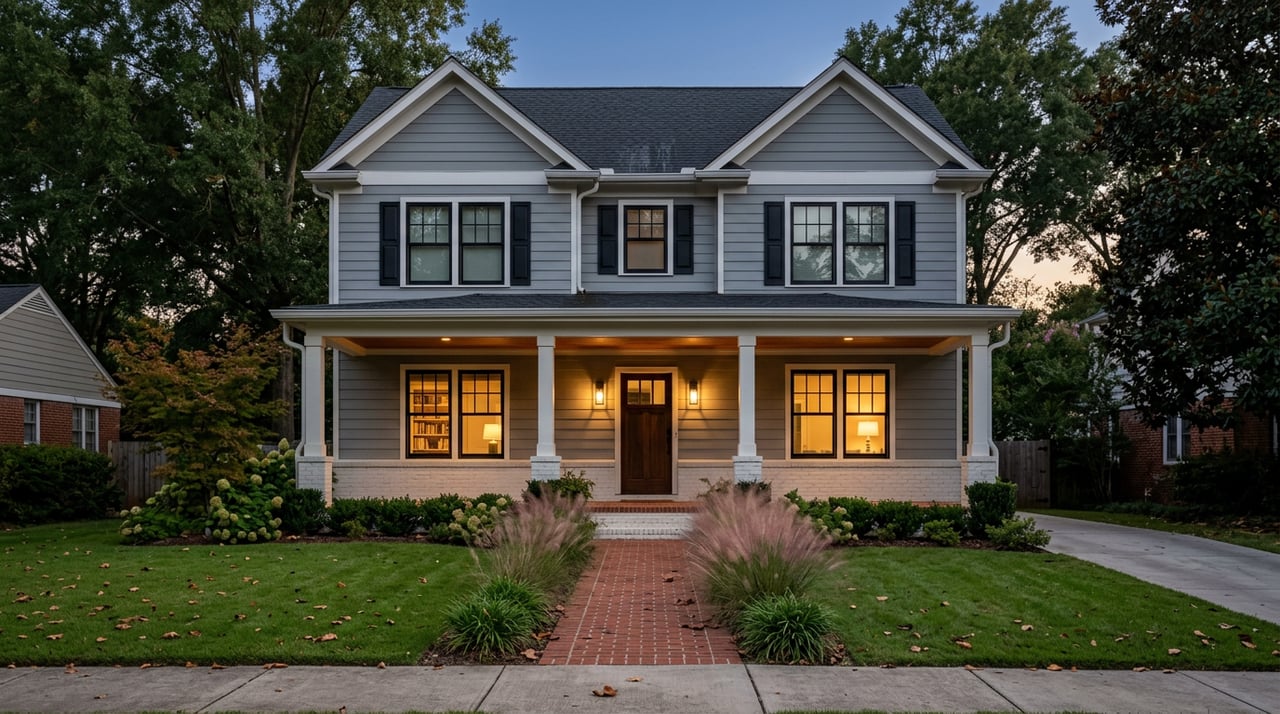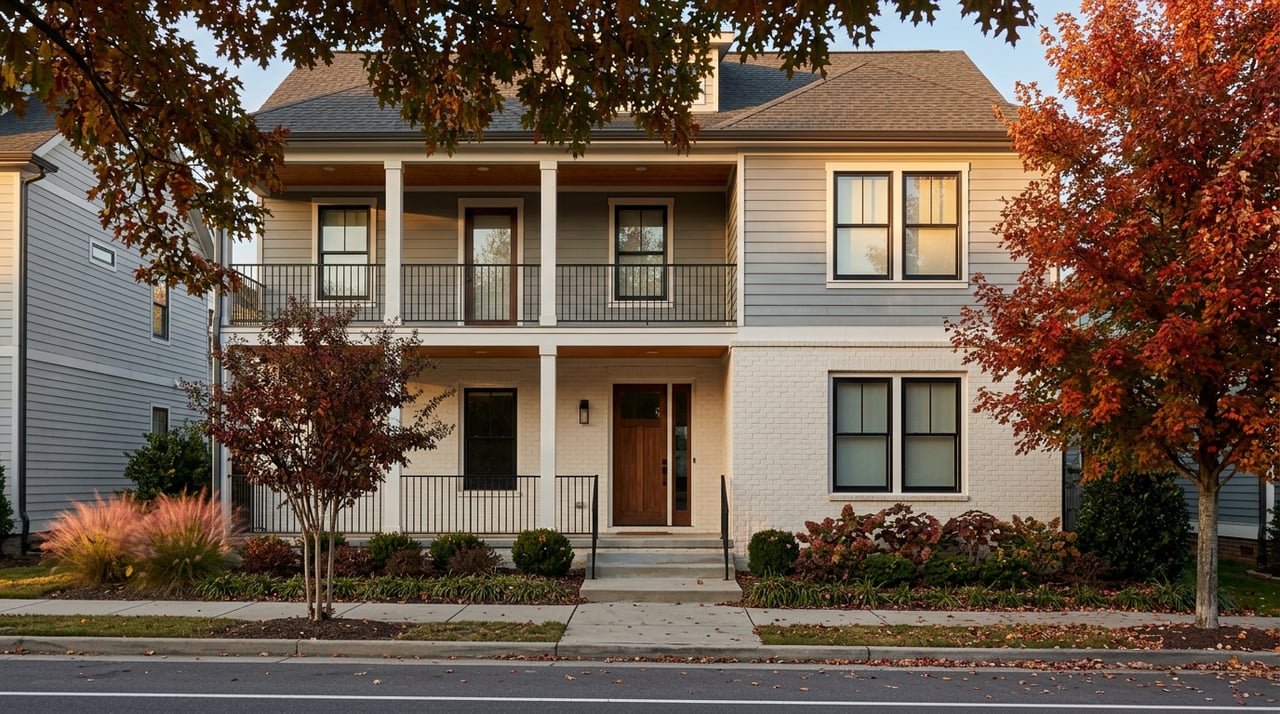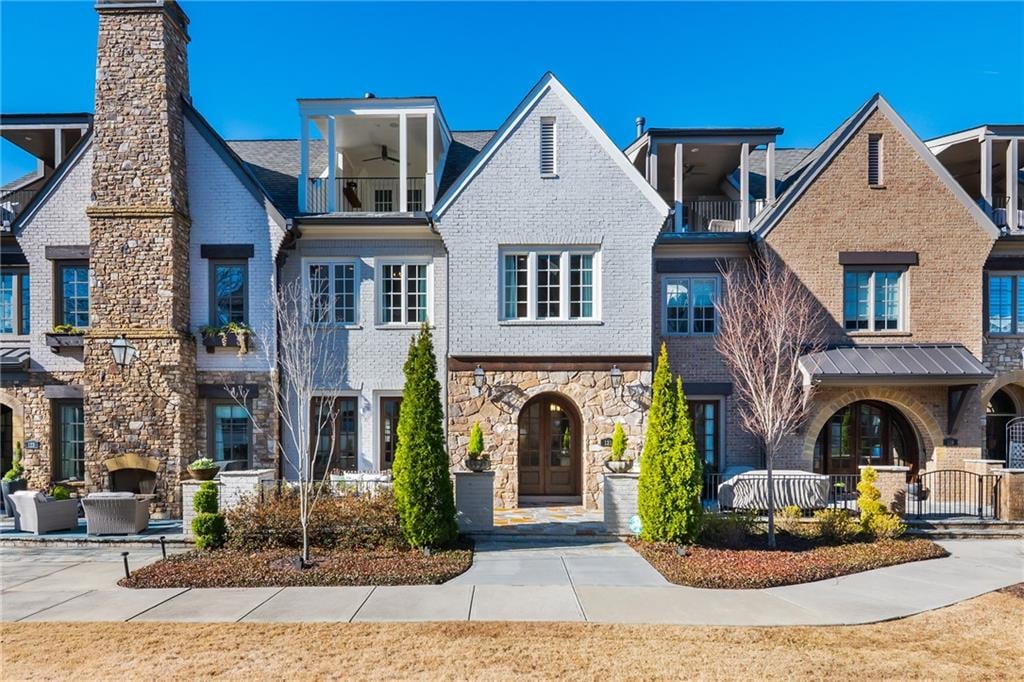
Torn between lock-and-leave living and a classic yard in the heart of Alpharetta? If you are downsizing or seeking a walkable lifestyle, the Garden District offers both townhomes and single-family homes close to downtown, Avalon, and the Big Creek Greenway. In this guide, you will weigh maintenance, outdoor space, walkability, total costs, and resale dynamics, then get a step-by-step plan for a curated tour. Let’s dive in.
Townhome vs House: Quick Snapshot
Choosing between a townhome and a single-family home comes down to how you want to live day to day. Townhomes usually offer lower exterior maintenance through a homeowners association, which can free your time but add monthly fees and rules. Single-family homes give you more control and space, with higher responsibility for upkeep.
If you value convenience, predictable exterior care, and being steps from restaurants and trails, a townhome may fit. If you want a larger yard, more privacy, and flexibility to remodel or add features, a single-family home could be the better long-term match.
Maintenance and HOA Responsibilities
Townhomes in the Garden District often include exterior maintenance and common-area care through an HOA. Landscaping, exterior paint, and sometimes roofs are managed for you. This reduces weekend chores and surprise projects, although you should review the specific HOA budget, reserves, and rules for each community.
With a single-family home, you handle exterior upkeep, yard care, driveways, roofs, and private amenities. Costs vary by age, condition, and lot size, but you have full control over how and when projects are done. For townhomes, request the HOA Resale Certificate and CC&Rs before you commit. For houses, ask for recent contractor estimates for roof, HVAC, and landscaping so you can budget accurately.
Outdoor Space and Privacy
Townhomes typically offer smaller private areas such as patios, balconies, or a compact yard. Some include rooftop decks designed for easy entertaining with minimal upkeep. Expect closer neighbor proximity and lower overall privacy compared to a detached home.
Single-family homes provide larger yards, room for gardening or pets, and opportunities for fencing, pools, and accessory structures. If you want space for outdoor dining, hobbies, or a future addition, a detached lot creates that flexibility. Downsizers who prefer a simplified lifestyle often appreciate a small, lock-and-leave yard that still supports morning coffee outdoors or light gardening.
Walkability in the Garden District
Townhomes are often placed near walkable cores, which is why many sit close to Downtown Alpharetta’s restaurants and nightlife, plus shopping at Avalon and access to the Big Creek Greenway. This setup can shorten your local errand trips and make it easier to enjoy evenings and weekends on foot.
Single-family homes in Alpharetta vary. Some properties near downtown and the Greenway are walkable and command a premium for that convenience. Many detached homes in broader Alpharetta remain car-oriented, so confirm your address-specific walk times.
When you evaluate a specific property, measure block-level factors: continuous sidewalks, safe crossings, lighting, and the actual distance to your favorite coffee spots, parks, and grocery. Use online walkability tools as a starting point, then verify on-site.
Resale and Buyer Demand
Buyer pools differ. Townhomes often attract professionals who want low maintenance and easy access to amenities, first-time buyers who prefer a managed exterior, and downsizers interested in simplified ownership. Investor interest depends on rental rules, which can be limited by HOAs.
Single-family homes draw buyers who prioritize yard space, the ability to customize, and long-term appreciation tied to land. Historically, detached homes tend to attract broader demand and can command higher absolute prices because of lot value. Well-located townhomes near walkable cores can command strong prices per square foot and healthy demand. The best guide is local comparables: look at recent Garden District sales for price per square foot, days on market, and sales velocity.
HOA dynamics also affect resale. High-fee or restrictive HOAs can reduce the buyer pool, while well-run associations that cover major items and maintain strong reserves can enhance appeal, especially for downsizers.
Total Cost of Ownership
To compare apples to apples, estimate your total monthly cost:
- Mortgage principal and interest
- HOA dues if applicable
- Property taxes
- Home insurance
- Maintenance reserve: consider setting aside 1–2% of the home’s value annually
- Utilities
Townhomes often shift exterior maintenance to the HOA, which you pay through monthly dues. Owners still insure the interior and belongings, and sometimes part of the structure depending on the HOA’s master policy. Single-family homes may avoid HOA dues altogether or have lower neighborhood fees, but you take on variable exterior costs. For each property, review the HOA budget and reserves, pull the tax history, request insurance quotes, and ask for recent utility bills.
Parking and Guest Access
Townhome parking ranges from attached two-car garages to tandem spaces or assigned surface spots. Guest parking can be limited in denser communities, so confirm how you will host visitors, especially on weekends.
Detached homes typically offer two- or three-car garages and private driveways, plus more flexibility for guest parking on the driveway or street where allowed. If you have frequent guests or need quick in-and-out access, factor this into your choice.
Accessibility and Aging in Place
Many townhomes span multiple levels with stairs. Ground-floor primary suites or elevator access exist in some developments, but they are less common. The appeal is the HOA’s exterior maintenance, which simplifies ownership as needs change.
Single-family homes offer more paths to age in place. You can seek out single-level living, adapt entries with ramps, or plan remodels that accommodate wider doorways and accessible bathrooms. If minimizing stairs is high on your list, prioritize layouts that already support it.
Flexibility for Remodels
Townhomes usually limit exterior changes and expansions. Architectural modifications require HOA approval, and additions are often restricted. You can still customize interiors within the rules.
Single-family homes grant greater freedom to expand or reconfigure, subject to local zoning, setbacks, and permits. If you want to add a screened porch, pool, or accessory structure, detached ownership is generally the better platform.
Noise and Neighbor Proximity
Townhomes share walls with neighbors. Construction quality varies by age and builder, so test for sound transfer during showings and ask about party wall construction. Street noise can also differ by block and orientation.
Detached homes provide more buffer from neighbors and street activity. If you are noise sensitive, visit properties at different times of day to understand the sound profile.
Your Curated Tour: Step by Step
A thoughtful process speeds up your decision and reduces second guessing. Here is a simple plan you can follow.
Pre-Tour Research
- Pull 6–12 months of comparable sales for both townhomes and single-family homes within about a mile of the Garden District core.
- For any townhome on your list, request the HOA resale package, CC&Rs, budget, reserves, and insurance details.
- Verify school zones by address, review property tax history, and confirm current utility providers.
On-Site Tour Checklist
- Exterior and common areas: sidewalks, crossings, lighting, landscaping, and any shared amenities. Note resident and guest parking rules.
- Inside the home: noise from neighbors or street, natural light, ventilation, storage, and garage space. Check whether the layout works for aging in place, including entry steps and bathroom access.
- Outdoor space: size and usability of patios or yards, sun and shade patterns, fencing options, and potential for gardening or pets.
- Lifestyle test: walk to a nearby restaurant or coffee shop and time it. Visit during a weekday morning and a weekend evening to gauge activity and parking.
- Practical checks: request utility bills, insurance estimates, and an itemized list of recent capital improvements. For HOAs, ask for recent meeting minutes that might reveal upcoming special assessments or projects.
Post-Tour Analysis
Create a side-by-side summary of your top three to five homes. Include total monthly cost, walk times to your top three destinations, outdoor space score, remodel flexibility, and the likely buyer profile on resale. This simple grid makes the tradeoffs clear so you can move forward with confidence.
When a Townhome Makes Sense
- You want minimal exterior maintenance and predictable upkeep.
- You value walking access to downtown dining, Avalon shopping, and the Greenway.
- You are comfortable with HOA rules on rentals, pets, and exterior changes.
- You prefer a patio, balcony, or rooftop over a large yard.
When a Single-Family Home Shines
- You want a larger private yard and more separation from neighbors.
- You plan to customize now or expand later, subject to permits and zoning.
- You need ample parking for residents and guests.
- You prefer single-level living options or an easier path to aging in place.
Local Context to Keep in View
- Transportation and commuting: Alpharetta is primarily car oriented with major routes along the SR 400 corridor. Townhomes near downtown can cut errand drives, although commute times to employment centers still rely on traffic patterns.
- Schools and taxes: Properties feed into Fulton County Schools depending on address. Even if schools are not a priority for you, boundaries can influence future resale. Tax rates vary by parcel, so review the assessor’s data before you buy.
- Planning and development: City updates to small-area plans and rezoning decisions can influence walkability, density, and neighborhood character. If you want a quieter setting, review planned projects nearby. If you enjoy vibrancy, proximity to new mixed-use developments may be a plus.
How to Compare Shortlist Homes
Use a simple scorecard to rank:
- Maintenance: your expected time and cost.
- Walkability: measured walk times and quality of sidewalks and crossings.
- Outdoor space: privacy, size, and usability.
- Flexibility: potential to remodel or age in place.
- Resale: recent comps for price per square foot and days on market.
A calm, data-backed comparison helps you see which home supports the lifestyle you want.
FAQs
What costs should I compare for a townhome vs a house?
- Add up mortgage, HOA dues if any, property taxes, insurance, an annual maintenance reserve of roughly 1–2% of value, and utilities for each address.
How walkable is a specific Garden District address?
- Time your walk to three to five destinations you will use often and note sidewalk continuity, crosswalks, and lighting to verify real-world convenience.
Do HOAs in townhome communities limit rentals or exterior changes?
- Many do, so review the CC&Rs, HOA resale package, and meeting minutes to confirm rental caps, pet policies, and architectural controls before you buy.
How can I gauge noise in a townhome?
- Visit at different times of day, listen near shared walls, ask about party wall construction, and check for street activity during peak hours.
What affects resale more in the Garden District: lot size or location?
- Both matter, but location near walkable amenities can drive strong demand, while detached homes often benefit from land value; rely on recent local comps.
Is a single-level layout easier to find in a house than a townhome?
- Often yes, since many townhomes are multi-level; focus on ranch plans or main-level primary suites if aging in place is a priority.
Ready to see the best options side by side and tour homes that match your lifestyle? Book a complimentary market consultation with Dawn Camarda to get a curated list, on-the-ground walkability checks, and expert guidance from a local advisor.